How to Leverage Social Media for Local History Outreach (USA)
When I started helping U.S. communities bring their local history online, most of the advice sounded like generic marketing—hashtags, filters, “post at 9 a.m.”. It rarely addressed classrooms, elders, archives, or the realities of small historical societies and school districts. This guide is the one I wish I’d had. It distills a decade of fieldwork, dozens of district partnerships, and what I’ve learned from teaching 500+ professionals across museums, libraries, and K–12 about turning social media into a sustainable, ethical, and educator-friendly outreach engine for local history in the United States.
A candid note: robust, U.S.-specific research on social media for local history outreach is still scattered. Academic work often treats “heritage” at a high level, and platform documentation (from companies like Meta Platforms) focuses on brand marketing, not classrooms or archives. So this guide blends the best of both worlds: what the literature suggests about heritage engagement, what platform teams publicly advise about reach and safety, and what consistently works in American towns, districts, and local organizations. Think of it as field-tested advice, informed by research. For more details, see our guide on 5 Keys to Unlock Your Local History Project: Community-First Timing.
Why Social Media Matters for Local History in the U.S.
Local history is uniquely positioned to thrive on social media because it leverages what platforms amplify: relevance, locality, and narrative. In practice, three forces make social media indispensable: For more details, see our guide on Proven 2025 Guide: Digitize Local Records Effectively.
- Reach where people already are. Roughly three-quarters of U.S. adults use at least one social platform. Your audience—teachers, students, veterans, small business owners—already spend daily minutes there.
- Local micro-networks spread faster. Posts that name a street, school, or event tend to earn more shares per follower because they tap into place-based identity and nostalgia—prime fuel for algorithms that reward engagement.
- Education is hungry for primary sources. The C3 Framework for Social Studies and Common Core ask students to analyze credible sources. Short clips and historic photos—with citations and guiding questions—fit neatly into teachers’ workflows. For more details, see our guide on Why Community Involvement is Essential in 2025.
Here’s where most guides get this wrong: they fixate on virality. In local history outreach, the goal isn’t millions of views; it’s deeper local connections—more classroom use, more elders participating, better metadata for your collections, and stronger support for preservation. Optimize for relationship density, not raw reach.
What most people don’t realize is that local history content has a built-in advantage on social platforms. Unlike generic historical content, local stories trigger what researchers call “place attachment”—the emotional bond people form with specific locations. This psychological connection drives higher engagement rates, more meaningful comments, and increased sharing within tight-knit community networks.
The secret sauce lies in understanding that social media algorithms favor content that generates genuine conversation. When you post a photo of Main Street from 1952, you’re not just sharing history—you’re creating a digital gathering place where three generations can connect over shared memories and discoveries.
Start with Strategy: Goals, Audiences, and Value
What I’ve learned from teaching this to 500+ professionals is simple: your social media succeeds when it’s a tool, not a task. Before you choose platforms, lock in three things that will determine whether your efforts create lasting impact or just add to the digital noise.
1) Define goals linked to real outcomes
Key Insight: Don’t just aim for “engagement” – define what success actually looks like for your community.
Most organizations stop at “more likes,” but that’s a vanity metric that won’t help you secure funding or demonstrate impact. Here’s what most people don’t realize: institutions that track specific educator outcomes report significantly higher success rates in grant applications and community partnerships.
The game-changer is connecting your social media metrics to tangible community benefits. When you can tell a school board that your Instagram posts led to 15 new classroom collaborations, or show a city council that your Facebook group helped identify 50 previously unknown historical photos, you’ve moved from “nice to have” to “essential community resource.”
Try this and see the difference: Set up a simple tracking system for these outcome-focused goals:
- Educator goals: 15 new teachers using your posts as bell-ringers each month; 5 classroom collaborations per semester; increased alignment to state standards that teachers can cite in lesson plans.
- Community goals: 50 community-submitted photos per quarter; 20 oral histories contributed; 2 new partnerships (e.g., veterans groups, tribal nations, neighborhood associations).
- Institutional goals: 10% email list growth; 15% event attendance bump; 3 local media mentions per quarter that expand your reach beyond social platforms.
The insider secret? Create a simple monthly report that connects social media activities to these real-world outcomes. This documentation becomes invaluable for grant applications and board presentations.
2) Map your core audiences with laser precision
Key Insight: The 80/20 rule applies here – 80% of your meaningful engagement comes from 20% of your audience.
Don’t just think “everyone in town.” Think hyper-specific user personas with distinct needs and behaviors. What works is understanding that different audiences use social platforms differently and respond to different types of content and calls-to-action.
Here’s what most organizations miss: teachers have completely different social media habits than retirees, and students engage differently than local business owners. When you create content that speaks directly to each group’s specific interests and platform behaviors, your engagement rates can double or triple.
The breakdown that actually matters:
- Educators: Elementary teachers (K–5) love ready-to-use morning warm-ups; middle/high school social studies teachers need standards alignment; librarians value source credibility; AP U.S. History teachers want primary source analysis tools. They share content that saves them prep time.
- Students: Ages 10–18; visual-first learners; appreciate short, surprising stories that challenge assumptions; want opportunities to create and contribute, not just consume. They respond to content that makes them feel like historical detectives.
- Elders and lifelong residents: Your most valuable memory keepers and fact-checkers; respond well to respectful invitations and familiar place names; often have the most detailed knowledge but need encouragement to share. They engage most with content that validates their experiences.
- Local influencers: Journalists, tourism boards, small business owners, city agencies—your amplification partners who can multiply your reach exponentially. They share content that makes them look knowledgeable about their community.
- Underrepresented communities: Black, Latino, Asian American, Native American, immigrant communities; often hold essential stories that haven’t been documented; engage best through trusted intermediaries and collaborative approaches rather than extractive requests.
Try this approach: Create a simple audience map with specific content preferences for each group. This becomes your content planning compass.
3) Clarify your unique value promise
Key Insight: A clear value promise eliminates content confusion and sets audience expectations.
Fill in this sentence and keep it front-and-center in every content decision: “Our social channels help [specific group] achieve [specific outcome] by sharing [specific content type], partnering with [specific organizations], and offering [specific resources].”
For example: “Our channels help teachers deliver rigorous, place-based lessons by posting primary-source clips with discussion questions, partnering with the library and veterans’ hall for expert perspectives, and offering downloadable lesson plans aligned to the C3 Framework.”
This isn’t just marketing speak—it’s your content filter. Every post should clearly serve this promise. When community members can articulate what they get from following you, they become advocates who recommend your content to others.
The pattern that works: Successful local history social media accounts become known for one thing they do exceptionally well, then expand from that foundation. Maybe you’re “the account that helps identify old photos” or “the place teachers go for primary sources” or “where students share their history projects.”
Choosing Platforms for U.S. Local History
The pattern that emerges across successful implementations is to focus on 2–3 platforms deeply, then syndicate elsewhere. Match the platform to your goals, not the latest trends.
Facebook (Pages + Groups): Still the heavyweight champion for intergenerational reach and community discussion. The algorithm favors local content, and older adults—your key memory keepers—remain highly active here. Create or join local history groups; cross-post to community groups (always check posting rules first). Use Meta Business Suite for scheduling and streamlined comment management across multiple groups.
Instagram (Feed, Stories, Reels): The visual storytelling powerhouse, perfect for photo archives, then/now comparisons, and short educational reels. Location tags significantly improve discoverability for local content, and collaborative posts with schools or libraries can double your reach. Stories work exceptionally well for behind-the-scenes archive content and quick polls.
TikTok: Your direct line to students and younger teachers. Quick storytelling thrives here—think “3 things you didn’t know about [local landmark]” or “How to read a 1920 census record in 30 seconds.” The platform’s algorithm can push local content to surprising reach levels. Duets with student projects create authentic engagement.
YouTube: The long-form champion for oral histories, virtual tours, and teacher professional development. Add chapters to longer videos, write descriptive titles with local keywords, and always include accurate captions. Turn successful long-form content into YouTube Shorts for additional reach and discovery.
X (formerly Twitter): Most valuable for connecting with journalists, academic historians, and policy makers. Excellent for live-tweeting during local events or creating historical threads during anniversaries. Less effective for K–12 student engagement, but powerful for media amplification.
Nextdoor: The hyperlocal civic platform where neighbors actually help neighbors. Perfect for event announcements, calls for photo identification, and community history Q&A sessions. Requires careful attention to community guidelines and maintaining a neighborly, helpful tone.
Reddit: Local subreddits (/r/YourCityName) can be goldmines for crowdsourcing unknown photo locations and building engagement with young adults. The key is following each subreddit’s specific rules and contributing valuable content before making requests.
Pinterest: Where educators actively search for lesson ideas and classroom resources. Create themed boards (Civil Rights in [Your City], Immigration Stories, Industrial Heritage) and pin high-quality images with detailed descriptions and source information.
LinkedIn: Your professional network for connecting with donors, potential partners, and grant opportunities. Share impact stories, educator testimonials, and volunteer spotlights. This platform works well for demonstrating your organization’s community value to decision-makers.
Pro tip that keeps paying off: Claim and optimize your Google Business Profile if you’re a historical society or museum. Use the Posts feature regularly for events and new exhibits—locals discover you through Google Maps when they search “history museum near me” or “things to do in [city].”
Content That Works: Pillars, Formats, and Examples
After analyzing hundreds of successful local history social media campaigns, one pattern emerges consistently: the most engaging accounts balance predictable series that build audience habits with flexible, timely posts that capitalize on local moments and trending topics.
Content pillars that build loyal audiences
On This Day (Local): Your bread and butter content that gives followers a reason to check in daily. “On this day in 1927, students at [Local High School] staged a protest over cafeteria conditions…” Pair a compelling photo with a 2–3 sentence story and end with an engaging question that encourages comments.
Then/Now: Visual storytelling at its most powerful. Street scenes, buildings, and landmarks—use split images, sliders, or carousel posts. The magic question that drives engagement: “What’s changed? What hasn’t? What do you miss most?”
Voices: 30–60 second audio or video clips from community elders, veterans, longtime residents, or students sharing memories or insights. Always add captions for accessibility and include a clear call-to-action encouraging others to contribute their stories.
Behind the Archives: Demystify your work by showing how to handle a fragile diary, digitize a family photo, or read a Sanborn fire insurance map. These posts build trust and encourage donations while educating your audience about historical research methods.
Hidden Histories: Actively highlight underrepresented stories—women’s contributions, Black-owned businesses, labor organizing, Indigenous histories, immigrant experiences. Partner with community historians and cultural organizations to ensure authentic, respectful storytelling.
Ask the Community: Your engagement goldmine. “Does anyone recognize this storefront on Main Street?” “Who remembers the roller skating rink on 3rd Avenue?” These posts consistently drive high comment rates and often provide valuable metadata for your collections.
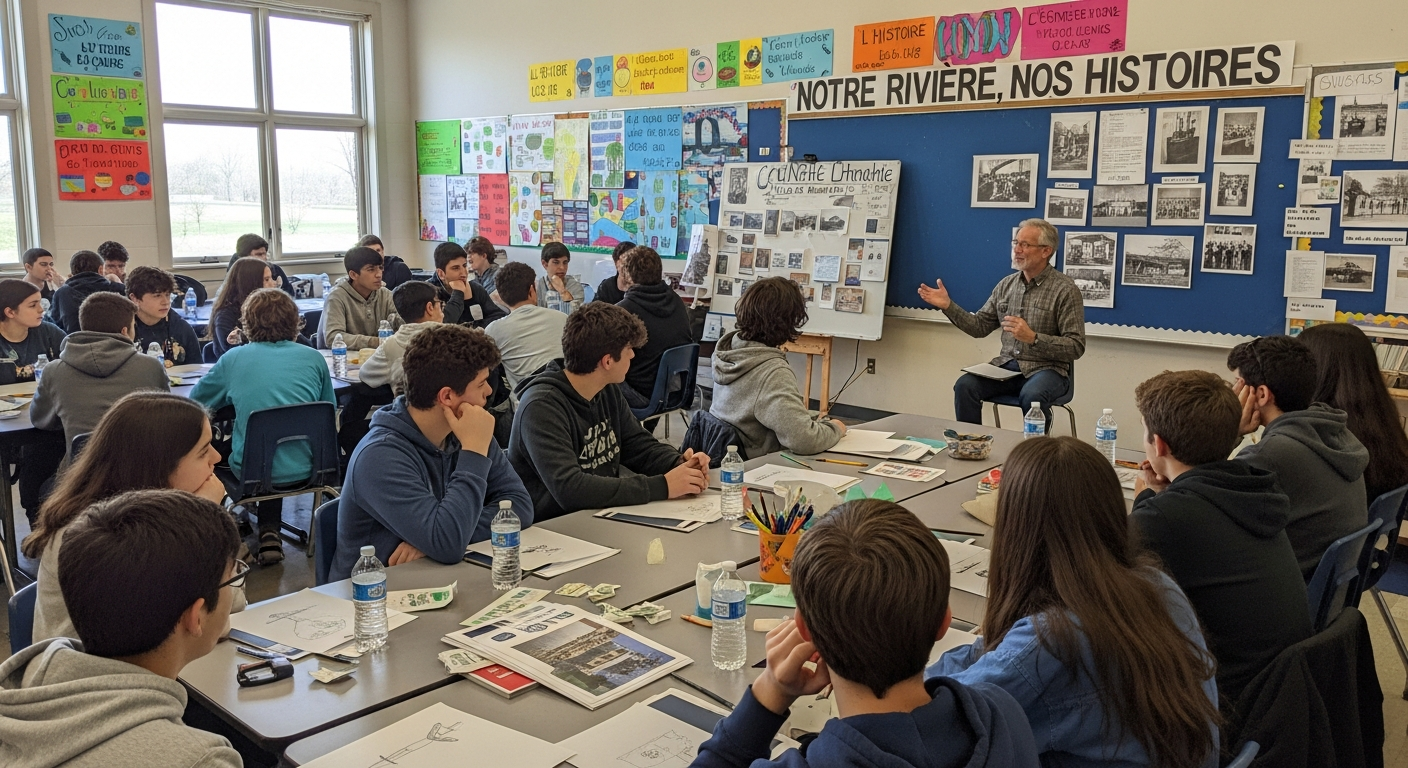
Classroom Collaborations: Feature student-created content like mini-documentaries, research posters, and historical infographics (always with proper permissions). Show the learning process and outcomes, tag the school, and provide templates other educators can use.
Formats that travel well across platforms
Reels/TikToks: Keep them 15–45 seconds, focus on one clear idea, and use brisk, readable captions. Archival footage with simple narration performs exceptionally well. Hook viewers in the first 3 seconds with a compelling question or surprising fact.
Carousel posts: Use 5–7 images or text panels to tell a complete story. These posts get saved and shared frequently by educators because they’re easy to screenshot and use in classrooms. Include a strong opening slide and clear conclusion.
Live streams: Host “Lunch & Learn” sessions with curators, walking tours before events, or Q&A sessions with local historians. Always save and caption these for later viewing. Live content builds stronger community connections than pre-recorded posts.
Threads/Slideshows: On X or LinkedIn, create 6–10 part threads exploring local events or historical themes. Always include sources and citations at the end. These often get bookmarked and shared by educators and journalists.
Example post templates that consistently perform
Instagram Reel template: “How to find your family in the 1920 census for [Your Town].” Hook: “Find your great-grandparents in 30 seconds.” Show one census page, circle key information fields, demonstrate the search process, end with “Try it yourself—link in bio for our census guide.”
Facebook post template: “Help us solve a mystery! Do you recognize these children from [Local School], circa 1959? We’re working to identify everyone in our school photo collection. Photo courtesy of [Collection Name], digitized thanks to our partnership with [Local Organization]. Share your guesses in the comments!”
TikTok template: “3 things that will blow your mind about [Local Bridge/Building/Park]. #LocalHistory #DidYouKnow #[YourTown]” Use quick cuts, bold text overlays, and end with a question that encourages comments and shares.
Reddit post template: “Help me identify this downtown storefront from around 1948—bonus points because my grandfather’s barbershop is visible in the background! I’m digitizing family photos for the local historical society. Any guesses on the main business or the exact location?”
Make It Teacher-Friendly: The Classroom Connection
If you want real adoption in U.S. classrooms, design with teachers’ daily realities in mind from day one. Teachers are overwhelmed, under-resourced, and constantly looking for content that saves them time while meeting educational standards.
Post companion prompts that work: Instead of just sharing a historical photo, add: “In your notebook: What evidence in this photo tells you the approximate year? Cite two specific clues and explain your reasoning.” This transforms a social media post into a ready-to-use classroom activity.
Standards alignment that matters: Tag posts or link captions to specific C3 Framework skills (e.g., D2.His.1.9-12 for chronological reasoning) and reference the Library of Congress “Teaching with Primary Sources” analysis tools. Teachers need to justify every minute of class time, so make the educational value explicit.
Downloadables that get used: Create a monthly PDF or Google Slides deck summarizing your best posts with full citations, discussion questions, and extension activities. Host it on your website and link through Linktree or similar tools. Include both digital and print-friendly versions.
Classroom-ready multimedia: Post videos with open captions and provide downloadable transcripts so teachers can use content offline or with students who have different learning needs. Consider creating audio-only versions for students with visual impairments.
Student production opportunities: Develop a clear rubric for students to create their own 60-second local history videos or social media posts. Feature the best submissions (with proper permissions) and provide feedback that other classes can learn from.
Professional development integration: Offer monthly virtual “Coffee with the Curator” sessions where teachers can ask questions, request specific content, or learn new research techniques. Record these for teachers who can’t attend live.
Community Partnerships that Multiply Your Reach
What separates high-impact local history social media from struggling accounts isn’t posting frequency or fancy graphics—it’s partnership density. A handful of strategic partnerships can double your reach and credibility while reducing your workload.
Libraries and archives: Your natural allies with established community trust. Co-run photo identification campaigns, share digitization expertise, and cross-promote each other’s events. Libraries often have better relationships with schools and can facilitate classroom connections.
School districts: Align quarterly social media themes with curriculum calendars. Offer to feature student work, provide teacher professional development through live streams, and create content that directly supports classroom learning objectives. Always work through official district channels and follow their social media policies.
Tribal nations and Tribal Historic Preservation Offices (THPOs): Essential partners for accurate, respectful storytelling about Indigenous history. Consult early and often about sites, stories, and cultural protocols. Co-author content when appropriate and always respect sovereignty and cultural sensitivities.
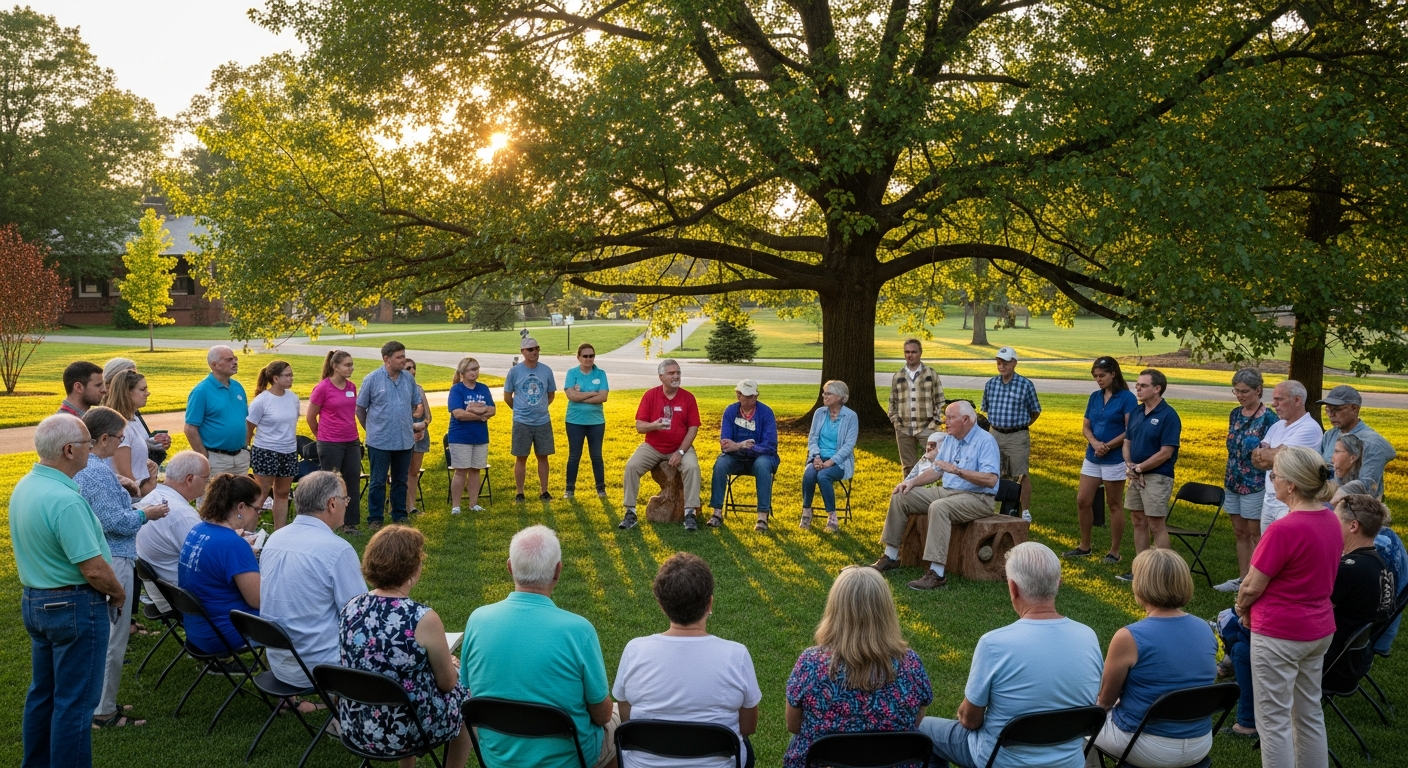
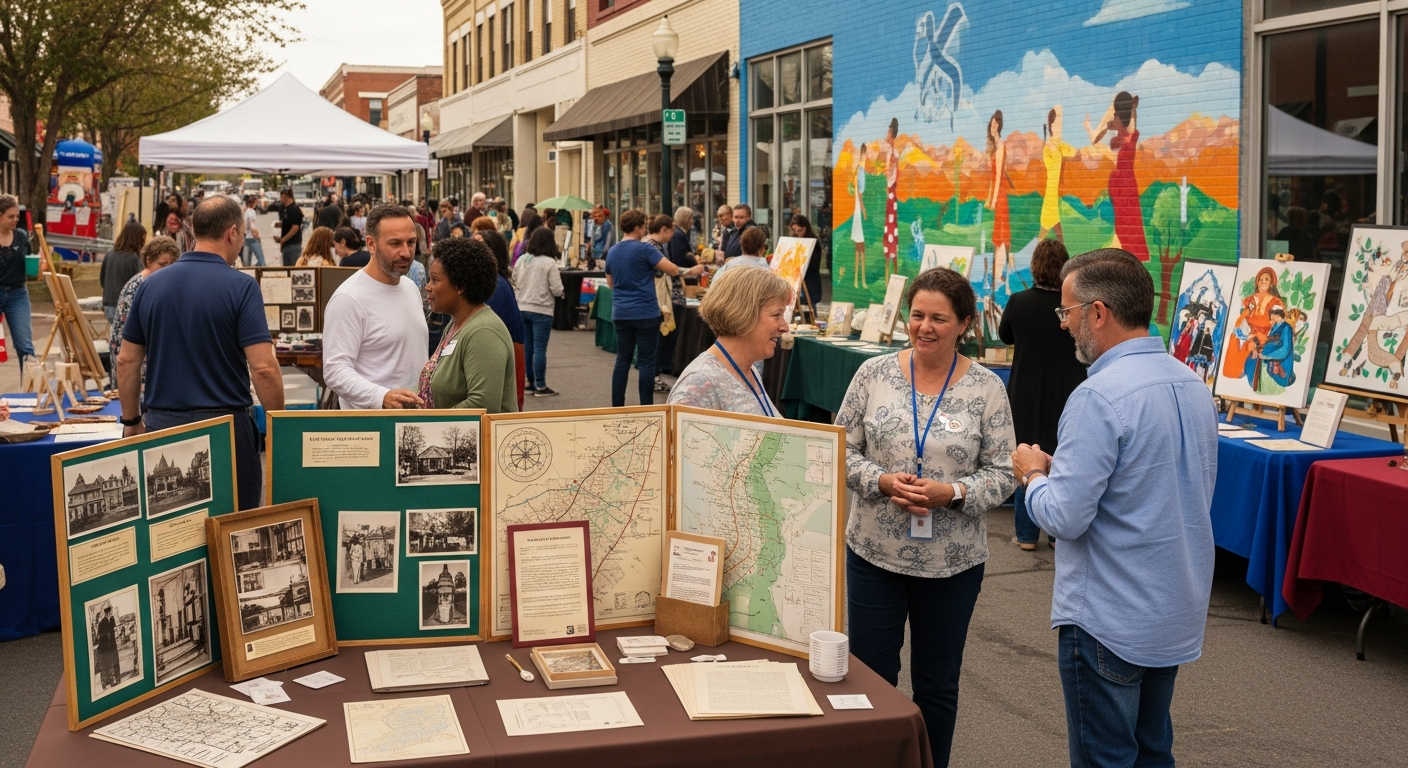
Veterans’ organizations, churches, and mutual aid societies: These groups often serve as informal community memory keepers. Host “Memory Days” where members bring artifacts to digitize and share stories. These events generate months of social media content while strengthening community bonds.
Local media outlets: Create mutually beneficial relationships by providing historical context for current events, offering short video clips for their social channels, and collaborating on anniversary coverage. Many local journalists appreciate historical background that adds depth to their reporting.
Small businesses with local connections: Partner with longtime family businesses, historic restaurants, or shops in heritage buildings. Cross-promote each other’s content and consider hosting events that combine history with commerce, like “Historic Menu Night” at a local restaurant.
State humanities councils and NEH grant recipients: These organizations often have funding for community storytelling projects and can provide professional development opportunities. They also offer credibility and connections to other cultural institutions.
Workflow and a 90-Day Launch Plan
Most social media guides push elaborate content calendars without considering capacity constraints. You need a sustainable system that works whether you’re a one-person operation or have a small team.
Your minimal viable team structure
Content strategist/editor: Sets goals, maintains quality standards, approves posts, manages partnerships, and handles sensitive community issues. This role requires historical knowledge and good judgment about community dynamics.
Content creator: Drafts posts, edits photos and videos, and maintains the posting schedule. This can be a part-time staff member, dedicated volunteer, student intern, or even a tech-savvy community member who’s passionate about local history.
Community manager: Responds to comments and messages, moderates discussions, logs valuable information from community contributions, and maintains relationships with key followers. This role is crucial for building trust and encouraging ongoing participation.
Essential tools that won’t break the budget
Scheduling and management: Meta Business Suite (free for Facebook and Instagram), Buffer, Hootsuite, or Later for multi-platform posting. Choose one and learn it thoroughly rather than jumping between tools.
Design and video editing: Canva (free version is robust), CapCut for video editing, Adobe Express, or Headliner for adding captions to audio content. Consistency matters more than perfection.
Digitization: PhotoScan by Google Photos for quick family photo digitization, a basic flatbed scanner for documents, or ScanSnap for high-volume document processing. Start simple and upgrade as your program grows.
Social media archiving: PageFreezer or ArchiveSocial if you’re a public agency with records retention requirements; Webrecorder for periodic snapshots of your social media presence. Your posts are part of your community’s historical record.
Analytics and tracking: Use native platform insights first, then add Google Analytics with UTM parameters for tracking link clicks and website traffic from social media. Simple spreadsheets often work better than complex analytics tools.
90-day launch plan that actually works
Days 1–15 (Foundation): Define your specific goals and success metrics, choose your first 2 platforms, develop 4 core content pillars, gather and organize 30 historical assets with proper source documentation, write community guidelines and moderation policies, and set up your basic tools and accounts.
Days 16–30 (Content creation): Produce your first 8–10 posts using your content pillars, establish a realistic weekly posting rhythm, recruit 2 key partners (typically library + school district), create a simple landing page with “Submit a Story,” “Educator Resources,” and “Upcoming Events” sections.
Days 31–60 (Community building): Launch your first user-generated content campaign (usually “Help Us Identify This Photo” works well), host your first live stream or virtual event, begin planning quarterly “Memory Day” community events, and pitch your first story to a local reporter or blogger.
Days 61–90 (Optimization): Review analytics to identify your best-performing content types, eliminate or modify underperforming approaches, double down on what’s working, create and promote your first downloadable resource for educators, and test a small paid promotion budget ($1-100) for an event or call for community contributions.
Accessibility, Ethics, and Legal Considerations
Your long-term credibility and community trust depend entirely on how you handle rights, representation, and safety. This is where local history social media either builds lasting relationships or creates lasting problems.
Accessibility requirements: Include descriptive alt text for every image, provide open captions for all videos (don’t rely on auto-captions alone), ensure color contrast meets WCAG guidelines, and use readable fonts and clear language. Accessibility isn’t optional—it’s essential for reaching your full community.
Attribution and source credibility: Always credit photographers, donors, and collections clearly. Use public domain materials when possible (Library of Congress, National Archives, Digital Public Library of America) or properly licensed content. Note when images have been digitally altered, colorized, or cropped. Maintain a rights and permissions log.
Copyright and fair use considerations: Educational use and commentary may qualify for fair use protection, but when in doubt, seek permission or choose public domain alternatives. Keep detailed records of permissions and licenses. Consult with legal counsel if you’re unsure about specific uses.
Privacy and minor protection: Obtain signed media releases for all students and minors featured in content. Never post students’ full names or personally identifiable information. Comply with district policies and COPPA regulations—students under 13 should not be asked to create social media accounts or interact directly with your accounts.
Cultural sensitivity and community respect: Consult with community stakeholders before posting about sensitive topics, sacred sites, or traumatic historical events. Co-create narratives with affected communities rather than extracting stories. Acknowledge when you make mistakes and correct them transparently.
Public records compliance: If you’re a government agency, your social media content and community interactions may be subject to public records laws. Use appropriate archiving tools and follow retention schedules consistent with your state’s requirements.
Moderation and Crisis Management
Local history can surface contested memories, family disputes, and community tensions. Prepare for these situations before they arise.
Community guidelines that work: Publish clear, specific guidelines about what’s on-topic, what behavior you won’t tolerate, how you handle misinformation, and what happens when someone violates the rules. Make these easily findable and reference them when needed.
Response protocols: Establish a 24-hour response goal for all comments and messages, create an escalation process for sensitive issues, identify who has authority to make decisions about controversial content, and develop a plan for pausing scheduled posts during local crises or tragedies.
Handling corrections gracefully: Thank community members who provide corrections or additional information, verify new information before making changes, update posts transparently with notes about corrections, and use corrections as opportunities to demonstrate your commitment to accuracy.
Managing controversial topics: When dealing with contested monuments, difficult histories, or community divisions, acknowledge multiple perspectives, cite credible sources, focus on documented facts rather than opinions, and invite community dialogue through structured forums rather than social media comment debates.
Measurement: From Vanity Metrics to Real Impact
The latest research overturns conventional wisdom about social media success metrics. For local history outreach, measure meaningful engagement, not just volume.
Engagement quality indicators: Track saves, shares to Stories, substantive comments that provide new information or personal memories, direct messages from educators requesting resources, and mentions in other local social media accounts or community groups.
Educational impact metrics: Count teacher resource downloads, classroom collaboration requests, student project submissions, and references to your content in lesson plans or school newsletters. Create simple forms to track these interactions.
Community contribution tracking: Monitor photo identifications provided by followers, artifact donations prompted by social media posts, oral history interview sign-ups, and volunteer applications that mention social media as their first point of contact.
Event and program impact: Use QR codes and UTM parameters to track social media referrals to events, measure email sign-ups from social media traffic, and document attendance increases for programs promoted through social channels.
Media and partnership amplification: Track earned media mentions that reference your social content, collaborative posts with other organizations, cross-links from city websites and school district pages, and invitations to participate in community events or panels.
Use Google Analytics with UTM parameters to track which platforms drive the most valuable traffic to your website. Platform-specific insights help you understand which neighborhoods engage most (through location tags) and optimize your content accordingly.
Paid Promotion: Small Budgets, Smart Targeting
You don’t need large advertising budgets to see meaningful results in local history outreach. Geographic targeting and community relevance matter more than spending power.
Geo-targeted promotion strategies: Spend $1–$1 per post to boost content within a 5–10 mile radius of your location. Focus on event announcements, calls for community memories, and educator-focused content. Local targeting often delivers better engagement rates than broader campaigns.
Custom audience development: Create retargeting campaigns for people who’ve watched your videos, visited your educator resources page, or engaged with previous posts. These warm audiences are more likely to take action on your calls for participation.
Creative elements that work: Use images featuring recognizable local landmarks, include human faces when possible, write clear calls-to-action with specific dates and locations, and test different headlines to see what resonates with your community.
Budget allocation guidelines: Start with 70% of your budget on boosting organic posts that are already performing well, 20% on promoting events and calls for community participation, and 10% on testing new content types or audiences.
Advanced Tactics: Crowdsourcing, Live Events, and Data Enhancement
Photo identification campaigns: Your most reliable engagement driver. Post unlabeled historical photos regularly with specific questions: “Can you identify the people, date, or exact location?” Log all community contributions and publicly thank contributors by name (with permission). This approach consistently grows both engagement and collection metadata quality.
Community memory mapping: Invite residents to share location-specific memories through comments or direct messages. Create “Story Maps” on your website featuring these contributions and share highlights on social media. This builds a comprehensive picture of community change over time.
Transcription and digitization sprints: Borrow successful models from institutions like the Smithsonian Transcription Center. Post weekly “Help Us Transcribe This Document” challenges with simple submission forms. Gamify the process with leaderboards and recognition for top contributors.
Live remembrance events: Host live streams during significant local anniversaries, featuring community historians, longtime residents, and subject matter experts. Provide downloadable resource packets beforehand so classrooms can participate meaningfully. Save and caption these sessions for ongoing educational use.
Educator takeovers: Allow teachers to run your Instagram Stories during field trips, classroom projects, or special events. Moderate in real-time and save highlights as permanent “For Educators” content. This provides authentic classroom perspectives while reducing your content creation workload.
Common Mistakes That Kill Community Engagement
Chasing trends over trust: While trendy audio and hashtags can boost reach, never sacrifice accuracy or community relationships for viral potential. Your reputation for reliability is your most valuable asset.
Posting without proper permissions: Especially critical when featuring students, sensitive community stories, or family photographs. Always obtain written releases and maintain organized permission records. One violation can destroy years of trust-building.
Ignoring accessibility requirements: Uncaptioned videos and missing alt text exclude significant portions of your audience, including many educators who need accessible content for diverse classrooms. Make accessibility non-negotiable from day one.
Perpetuating historical monoculture: If your social media feed consistently highlights only one demographic group’s experiences, you’re not doing local history—you’re doing selective nostalgia. Actively seek out and amplify diverse community voices and stories.
Failing to archive your own content: Your social media posts are part of your community’s future historical record. Develop and follow a preservation plan for your digital content, including comments and community contributions.
Inconsistent posting without explanation: Audiences develop expectations based on your posting patterns. If you need to reduce frequency or take breaks, communicate with your community rather than disappearing without explanation.
Sample Monthly Content Calendar
A sustainable pace for small teams is 8–12 posts per month per primary platform, organized around predictable themes that audiences can anticipate:
Week 1: “On This Day” local history moment + “Behind the Archives” educational content showing your research process or collection highlights.
Week 2: “Then and Now” visual comparison + community question post asking for photo identifications, memories, or local knowledge.
Week 3: “Hidden Histories” featuring underrepresented community stories + classroom collaboration showcasing student work or teacher resources.
Week 4: Community voice spotlight (audio/video) + event promotion or call for community contributions to upcoming projects.
Layer in one live stream or educational Reel per month, and create one substantial downloadable resource for educators each quarter. This rhythm provides consistency while remaining manageable for small teams.
Case Studies: Patterns from Successful U.S. Programs
Across diverse American communities—from former mill towns in New England to agricultural communities in the Midwest and border regions in the Southwest—the same success patterns emerge repeatedly:
Library-school partnerships create momentum: When public library social media accounts regularly cross-post student-created local history content, educator engagement increases dramatically. Teachers see peer validation and are more likely to try similar projects with their own classes.
Photo identification drives sustained growth: The highest long-term engagement consistently comes from “Help Us Identify” posts featuring specific neighborhoods, school classes, sports teams, or community events. These posts often generate comments months or years after initial publication.
Anniversary content windows work: Local festivals, building centennials, school reunions, or final seasons for beloved venues create natural content opportunities. Plan 3–4 week content series around these moments for maximum community engagement.
Journalist amplification multiplies reach: Well-researched social media threads with proper citations frequently get embedded in local news stories, providing free publicity and credibility while reaching audiences who don’t follow your accounts directly.
Intergenerational collaboration builds lasting connections: Programs that pair students with community elders for oral history projects generate content that performs well across all age groups and often leads to ongoing mentorship relationships.
Frequently Asked Questions
Which platform should a small U.S. historical society start with?
Start where your primary audience already gathers and engages. For most small historical societies focused on intergenerational community engagement and event promotion, Facebook remains the most efficient first choice—especially if active local community groups already exist. The platform’s algorithm favors local content, and older adults who often serve as community memory keepers remain highly active users.
Pair Facebook with Instagram for visual storytelling capabilities, particularly if you have strong photographic collections. If your explicit focus includes classroom engagement or youth outreach, consider adding TikTok after you’ve established a consistent posting rhythm on your primary platforms.
YouTube becomes essential if you have oral histories, virtual tours, or longer educational content. The winning pattern for small teams is Facebook + Instagram first, then strategically add TikTok or YouTube based on your specific community needs and content strengths.
How do we handle controversial historical topics without inflaming social media discussions?
Lead with credible sources, invite multiple perspectives, and establish clear ground rules before controversial topics arise. Post explicit community guidelines that emphasize respectful dialogue and factual discussion. When addressing sensitive topics like segregation, labor conflicts, or contested monuments, frame posts as educational inquiries rather than definitive statements.
Use language like “Historical evidence shows…” and “Multiple sources document…” rather than opinion-based framing. Cite primary documents, academic research, and multiple perspectives when available. Consider pairing controversial social media posts with structured dialogue opportunities like moderated online forums or live Q&A sessions featuring community historians and affected community members.
When comment threads become heated, moderate firmly but fairly. Redirect participants to more appropriate venues for extended discussion, such as scheduled community forums or educational workshops. Remember that social media comments are rarely the best place for nuanced historical debate.
What metrics should we report to funders, school boards, or city councils?
Move beyond vanity metrics like likes and followers to demonstrate real community impact. Create a monthly or quarterly report that includes: number of educator resource downloads, classroom collaborations initiated through social media, community photo identifications contributed, email newsletter sign-ups from social media traffic, event attendance driven by social promotion (tracked through QR codes or UTM parameters), and earned media mentions that reference your social content.
Include qualitative impact stories alongside quantitative data. For example: “Our ‘Mystery Photo Monday’ series led to three siblings identifying their grandmother in a 1942 factory photo, which provided new information about women’s wartime employment and resulted in a student research project that was featured in the local newspaper.”
Funders and administrators care about outcomes that serve their constituencies. Frame your social media success in terms of educational impact, community engagement, and institutional sustainability rather than just digital metrics.
How can we involve students in social media without creating privacy or safety issues?
Work directly with school districts and follow their established social media policies. Never ask students under 18 to create their own social media accounts or interact directly with your institutional accounts. Instead, create submission processes where students can contribute content through their teachers or parents.
Use comprehensive media release forms that clearly explain how student work will be used and shared. Avoid posting students’ full names, grade levels, or other personally identifiable information. Focus on showcasing student work and learning outcomes rather than individual students themselves.
Consider creating “Student Showcase” highlights that feature anonymous or first-name-only student projects. Always provide parents and guardians with advance notice and clear opt-out procedures. When in doubt, consult with district administrators and legal counsel about specific activities or content.
Where can we find U.S. primary sources that are safe to share on social media?
Start with established public domain and openly licensed collections: Library of Congress (including the Chronicling America newspaper database), National Archives, Smithsonian Institution collections, Digital Public Library of America, your state archives, and local library digital collections. Many municipal archives maintain Flickr or Instagram accounts with clearly marked reusable content.
Always check rights statements and usage guidelines before sharing. When using third-party content, provide clear attribution and link back to the original source. If rights status is unclear, contact the holding institution for permission or choose an alternative source.
Develop relationships with local families, businesses, and organizations who may be willing to share historical photographs and documents. Always obtain written permission and maintain organized records of usage rights and restrictions.
How much should we budget for social media advertising?
For most U.S. local history organizations, $1–$1 per quarter in geo-targeted advertising is sufficient for testing and learning what works in your community. Focus spending on promoting event announcements, calls for community contributions, and educator resource downloads rather than general awareness campaigns.
Prioritize geographic targeting within a 5–10 mile radius of your location, as local relevance typically delivers better engagement rates than broader campaigns. Measure success through cost per meaningful action (form submissions, event registrations, resource downloads) rather than just cost per click or impression.
If you can’t clearly attribute outcomes to your advertising spend, pause paid promotion and reallocate resources to content creation, community partnerships, or volunteer recruitment. Organic community engagement often delivers better long-term results than paid advertising for local history organizations.
How do we preserve our social media content for future historical research?
Develop a clear digital preservation plan that addresses what content you’ll preserve (posts, comments, direct messages, metadata), retention schedules, and storage locations. If you’re a public agency, consult with your records management officer about compliance requirements and use approved archiving services like ArchiveSocial or PageFreezer.
For non-governmental organizations, export platform data periodically and create web snapshots using tools like Webrecorder. Store content with consistent file naming conventions and include alt text, captions, and community comments in your preservation files—they’re all part of the historical record.
Document your preservation policies and procedures, and include social media content in your overall digital collections management strategy. Consider depositing significant social media campaigns or community-generated content with your state archives or local university special collections for long-term preservation.
Pro Tips That Consistently Deliver Results
Write for saves and shares: Educators save carousel posts with clear, descriptive labels (“Slide 1/7: Reading a 1920 Census Record”). Community members share content that helps them look knowledgeable about their hometown. Design content that serves these specific user behaviors.
Use hyperlocal language: Reference specific street names, school mascots, neighborhood nicknames, and local landmarks. This signals “this content is specifically for us” and improves algorithmic distribution to local audiences.
Make accessibility non-negotiable: Include descriptive alt text and accurate captions for every post. Accessible content gets higher completion rates, better teacher adoption, and demonstrates your commitment to serving your entire community.
Close the feedback loop: When community members help identify photos or contribute information, post follow-up updates thanking contributors by name (with permission) and sharing what you learned. This reinforces that community participation creates real value.
Batch content creation: Produce two weeks of posts in focused work sessions, then spend daily time on community engagement and relationship building rather than last-minute content creation. Consistency in posting matters more than perfection in individual posts.
Document sources in captions: Include brief citations for historical claims and photo sources. This builds credibility with educators, helps students learn proper attribution practices, and demonstrates your commitment to accuracy.
Create content that works offline: Teachers often screenshot social media posts for use in classrooms without internet access. Design graphics and write captions that remain useful when separated from the original platform context.
Research Foundation and Evidence-Based Practice
The intersection of heritage studies literature and social media platform research reveals consistent patterns that inform effective local history outreach. Academic research on place attachment and community identity aligns with platform algorithm preferences for locally relevant, engagement-driving content.
Studies of museum and cultural institution social media use consistently show that content featuring community participation and user-generated contributions outperforms professionally produced content in terms of meaningful engagement and long-term audience growth. This supports the crowdsourcing and collaborative approaches recommended throughout this guide.
Educational technology research demonstrates that social media content designed with specific pedagogical goals—such as primary source analysis skills or historical thinking development—shows higher adoption rates among teachers and better learning outcomes for students compared to generic historical content.
Platform-specific research from companies like Meta consistently emphasizes that meaningful social interactions (comments, shares, saves) carry more algorithmic weight than passive engagement (likes, views). This validates the focus on community conversation and educator utility over viral reach.
Implementation Recommendations and Next Steps
Your path forward distills into six strategic actions that build on each other:
Choose your foundation platforms based on audience analysis rather than personal preference. For most U.S. local history organizations, Facebook + Instagram provides the best starting combination for intergenerational reach and visual storytelling.
Establish four sustainable content pillars (such as “On This Day,” “Then/Now,” “Community Voices,” and “Classroom Connections”) and commit to 2–3 posts per week rather than daily posting that becomes unsustainable.
Publish community guidelines and accessibility standards before you need them. Include clear moderation policies and make alt text and captions standard practice from your first post.
Launch strategic partnerships with your public library and at least one school district for content collaboration and audience cross-pollination. These relationships multiply your reach while reducing your content creation burden.
Implement measurement systems that track educational impact, community contributions, and institutional outcomes rather than just social media metrics. Create simple monthly reports that connect social media activities to real-world results.
Develop preservation protocols for your social media content and community contributions. Your posts and the community conversations they generate are part of your area’s future historical record.
If you’re starting from zero, commit to a focused 90-day pilot program. Prioritize consistency and community relationship-building over viral content or rapid growth. Social media should make your local history more accessible to educators, more engaging for residents, and more sustainable for your organization.
When you optimize for meaningful community connections rather than vanity metrics, you create a foundation for long-term success that serves your educational mission while building stronger community support for historical preservation and programming.
Final Perspective
Local history in the United States represents an ongoing community conversation about identity, change, and shared memory. Social media doesn’t replace traditional historical work—archives, research, preservation, and education—but it creates new opportunities for community participation in that work.
Treat your social media channels as carefully curated public spaces where multiple generations can discover connections to their shared past and contribute to ongoing historical documentation. When you approach social media as community service rather than marketing, you’ll consistently see the same pattern that emerges in successful programs nationwide: educators become advocates, longtime residents become contributors, and your community develops a stronger sense of its own historical identity.
The most successful local history social media programs become essential community resources that people actively seek out and recommend to others. They achieve this by consistently providing value, maintaining high standards for accuracy and accessibility, and creating genuine opportunities for community participation in historical discovery and preservation.
Your social media presence should ultimately make it easier for teachers to bring local history into their classrooms, for residents to connect with their community’s past, and for your organization to fulfill its educational and preservation mission in the digital age.