13 Essential Insights Into the Salem Witch Trials That Still Resonate Today
Understanding the dark history behind the Salem Witch Trials requires a nuanced approach that goes beyond surface-level explanations. These weren’t just isolated incidents of colonial superstition; they were a culmination of complex social, psychological, and legal factors that created a perfect storm of mass hysteria. The lessons from Salem continue to echo through modern society, offering crucial insights into how fear, power, and justice intersect in dangerous ways.
Here’s what most people don’t realize: the Salem Witch Trials weren’t really about witchcraft at all. They were about power, fear, and the deadly consequences of abandoning critical thinking in favor of mass hysteria. So, let’s dig deeper into the hidden mechanisms that fueled one of America’s most infamous episodes of judicial failure. For more details, see our guide on Exploring Colonial Exploitation’s True Drivers.
Heads up: Some of these insights might completely challenge what you think you know about Salem. These aren’t the sanitized textbook versions—these are the raw, uncomfortable truths that reveal how easily civilized society can descend into chaos. For more details, see our guide on Inquisition’s Tools: Secrets of Control Unveiled.
1. Spectral Evidence: The Invisible Weapon That Weaponized Fear
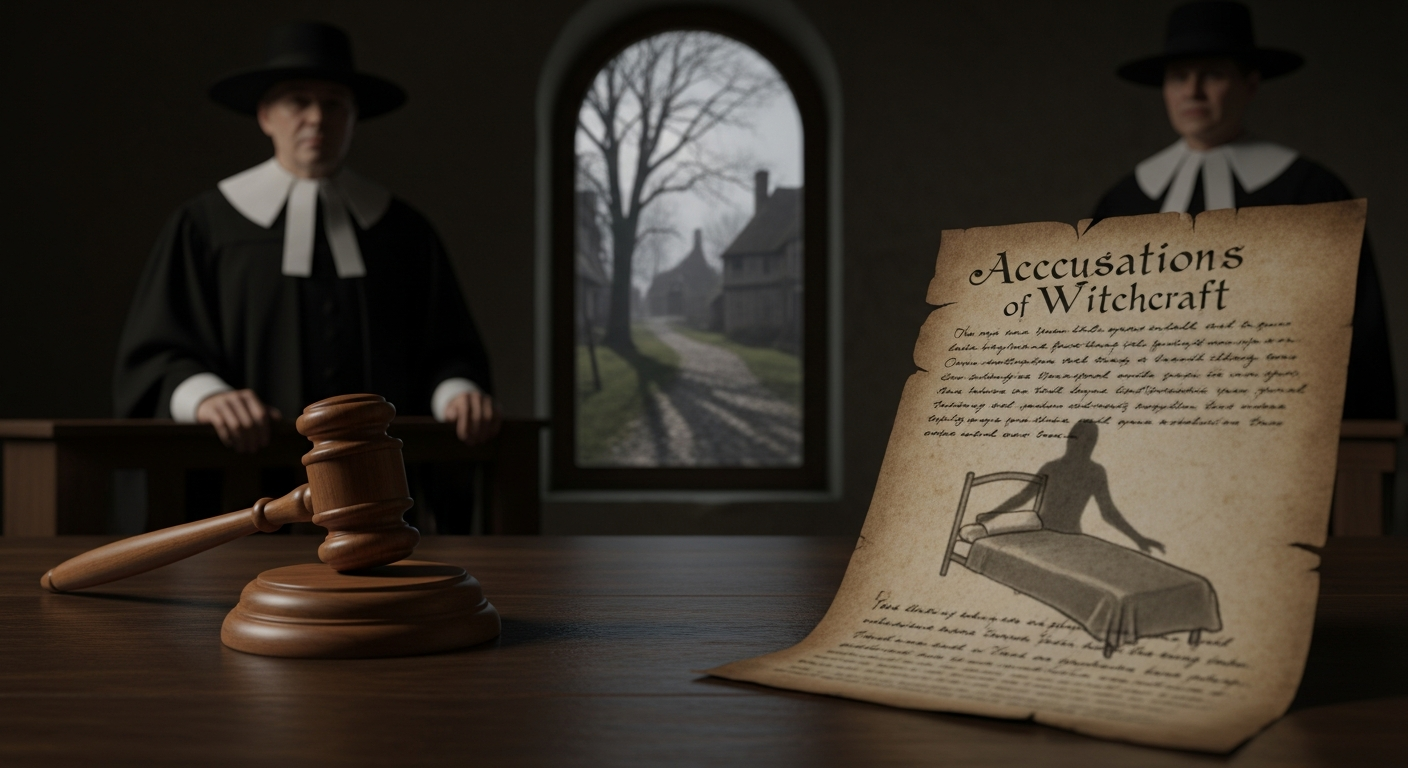
Ever heard of spectral evidence? It was the “secret weapon” that transformed neighborhood gossip into death sentences. In 1692, Massachusetts courts accepted testimony that the accused’s spirit or spectral shape appeared to witnesses, even when the accused was physically elsewhere. Think about that for a second. Someone could literally accuse you of committing crimes while you were asleep in your own bed, claiming your spirit left your body to torment them. For more details, see our guide on Inquisition’s Decline: Key Factors Unraveled.
This wasn’t just legal innovation—it was legal insanity. Spectral evidence was particularly potent in Salem because the Puritan community believed in the literal, physical reality of spiritual warfare. Cotton Mather, one of the most influential Puritan ministers, argued that the devil could assume the shape of innocent people, but only with their permission. This theological loophole made spectral evidence seem both divinely sanctioned and legally sound.
Here’s the shocking part: Court records reveal that spectral evidence played a decisive role in at least 15 of the 20 executions. Martha Corey, a respected church member, was convicted and executed based primarily on claims that her specter pinched and tormented the afflicted girls. Even more disturbing, when Corey’s husband Giles pressed for concrete evidence, he was crushed to death with stones for refusing to enter a plea.
The legal system’s embrace of spectral evidence created an impossible situation: how do you defend against accusations of crimes your spirit allegedly committed while your body was elsewhere? It was the perfect prosecutorial tool—unfalsifiable, unprovable, and utterly deadly.
Try this perspective shift: Imagine if modern courts accepted testimony about what someone did in a dream or vision. That’s essentially what spectral evidence represented—a complete abandonment of the evidentiary standards that protect innocent people from false accusations.
Key Insight: The legal system’s reliance on spectral evidence turned personal fear into a deadly weapon that corrupted the very foundation of justice. It’s a chilling reminder that when we abandon evidence-based reasoning, we open the door to persecution disguised as prosecution.
2. The “Afflicted Girls”: Master Manipulators or Trauma Victims?
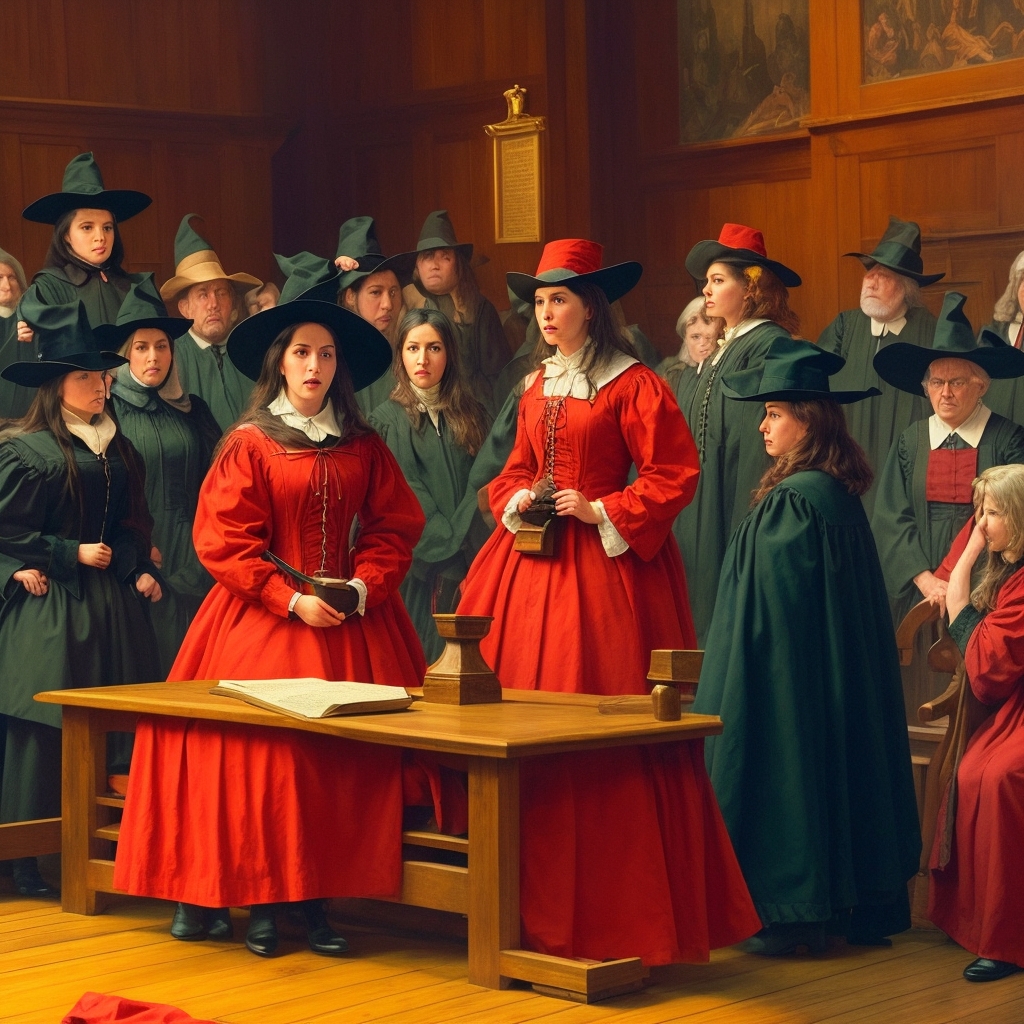
The initial “afflicted girls”—including Betty Parris (age 9), Abigail Williams (11), and Ann Putnam Jr. (12)—weren’t just random children having fits.