In the annals of dark history, few phenomena embody the intersection of societal perception, institutional power, and individual vulnerability quite like the witch hunts of the early modern period. These episodes, which spanned from the late 15th century through the 18th century across Europe and into the early colonial American context, reveal how deeply ingrained social biases and gender norms shaped the mechanisms of accusation, trial, and execution. Understanding this dynamic is crucial—not merely for historical comprehension but for recognizing enduring patterns that influence contemporary societal and legal practices globally.
This article explores the pivotal roles gender and social status played in witch hunt accusations, revealing that the outcomes of these dark episodes were far less about actual malevolent magic and far more about societal anxieties manifested through targeted scapegoating. The insights gained here have profound implications for understanding how societies identify, prosecute, and ostracize individuals under the guise of moral or spiritual purity. For more details, see our guide on Les racines économiques des chasses aux sorcières en Europe.
The European Context: Misogyny and Marginalization as Catalysts
What’s interesting is that recent analysis of European witch trials in the early modern period reveals a strikingly consistent pattern: roughly 80% of those accused, and even more so those convicted, were women, with many being over the age of 40. This disproportionate gendered outcome wasn’t accidental; it was deeply rooted in systemic misogyny, significant economic shifts favoring male labor, and a rising number of unmarried women following the Reformation. Widows, in particular, proved especially vulnerable to accusations in diverse contexts, from early modern Europe to contemporary regions experiencing social upheaval, aligning with global patterns of societal suspicion directed toward women outside traditional family structures. For more details, see our guide on Exploring Colonial Exploitation’s True Drivers.
The demographic data from court records across German territories, France, and England consistently shows this pattern. In the Holy Roman Empire alone, historian Wolfgang Behringer’s analysis of over 25,000 trial records demonstrates that women comprised approximately 76% of all witch trial defendants between 1450 and 1750. The age factor was equally telling—women over 50 represented nearly 60% of female defendants, a demographic that coincided with widowhood and post-reproductive life stages when women were perceived as less valuable to patriarchal society. For more details, see our guide on Inquisition’s Tools: Secrets of Control Unveiled.
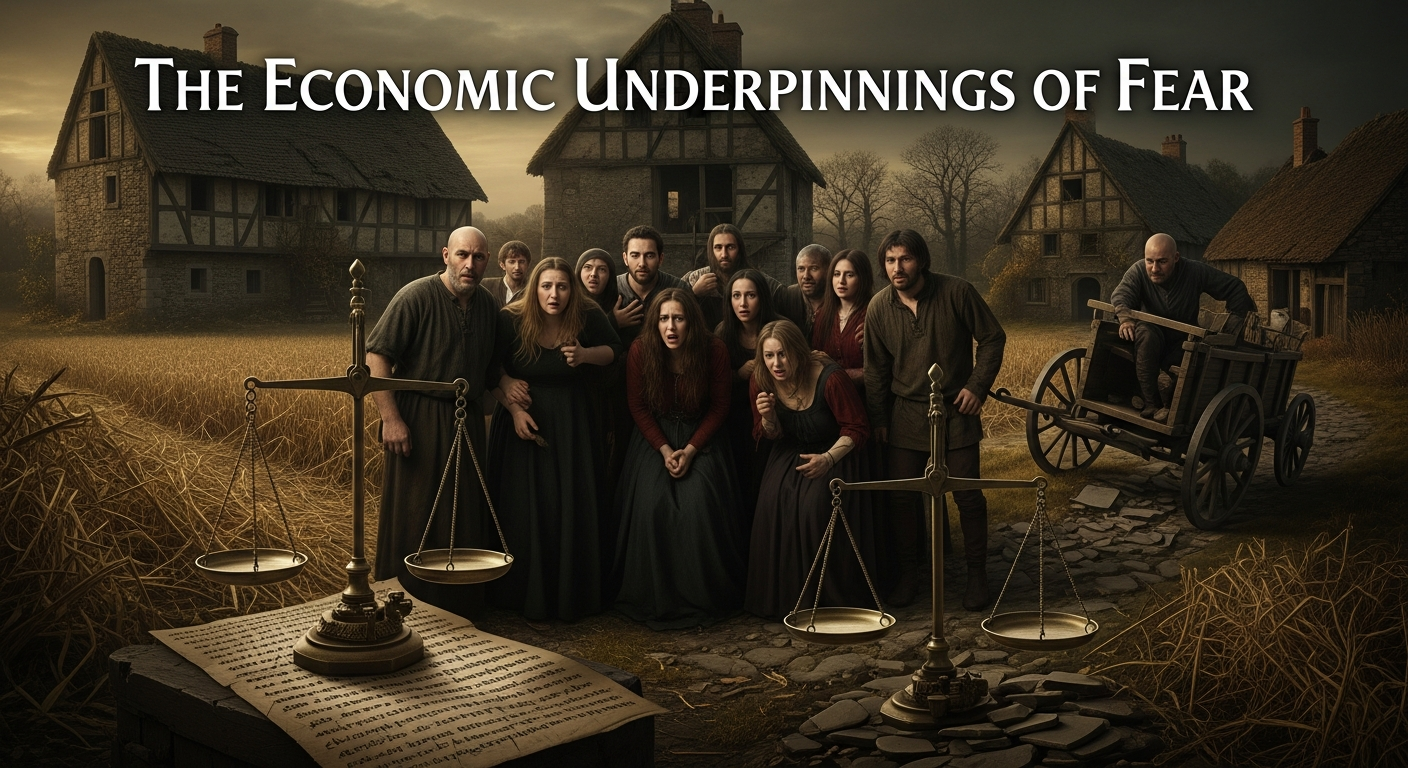
Understanding these patterns requires acknowledging the tumultuous socio-economic fabric of early modern Europe—a period marked by profound upheaval in land ownership, agricultural productivity, and community cohesion. The Little Ice Age (roughly 1300-1850) created agricultural crises that coincided with peak witch trial periods, particularly during the harsh winters of the 1580s-1650s. Women, especially widows and unmarried women, often occupied precarious economic positions during these climate-driven famines. Their independence or deviation from normative roles frequently became the basis for suspicion. In this environment, accusations of witchcraft often functioned as a grim social currency—both a means of reinforcing gender hierarchies and, frustratingly, a mechanism for reallocating property and resources.
Power, Property, and Fear: The Underlying Drivers
Here’s the thing though: far from being random acts of malice or mere superstition, witch accusations frequently served profound economic and political agendas that reinforced existing power structures. Landowners and village elites, seeking to protect their economic interests, sometimes leveraged accusations to eliminate neighbors who threatened their holdings. The fear of women gaining economic independence through property rights—particularly widows inheriting land—often manifested as accusations of witchcraft. This pattern persisted even in regions where witchcraft was officially condemned; social realities frequently overpowered theological prohibitions.
Research by historian Lyndal Roper reveals that in Augsburg, Germany, property disputes preceded witch accusations in over 40% of documented cases between 1590 and 1650. Women who inherited substantial estates or operated successful businesses—such as brewing, textile production, or money-lending—faced disproportionate scrutiny. The infamous case of Anna Göldi in Switzerland (1782), often called the “last witch,” exemplifies this pattern: she was a domestic servant whose employer’s wife accused her of witchcraft after the employer showed romantic interest in Anna, but underlying property and inheritance concerns within the household drove the accusation’s severity.
This dynamic was particularly evident in regions where land was concentrated in the hands of a small elite. Accusing a widow of witchcraft, for instance, could serve multiple purposes: removing a landholder who was gaining independence, punishing an unmarried woman who refused to marry into the local gentry, or eradicating a woman who challenged male authority within the community. These accusations thus functioned both as mechanisms of social control and calculated economic strategies, often masquerading as divine justice.
The Scapegoating Process: A Pattern of Societal Anxiety
The process of witch hunt accusations often followed a recognizable pattern, starkly illustrating how societies externalized their anxieties onto vulnerable individuals. It typically began with a trigger event—such as crop failure, disease outbreaks, or unexplained accidents—that created collective fear and demanded an explanation. In these moments of panic, society invariably looked for a tangible cause to channel its fears. Women, especially those who didn’t conform to societal expectations, became prime targets, often because they represented the “other”—those who didn’t fit neatly into the prescribed social order.
Modern psychological research on scapegoating theory, developed by René Girard and later expanded by social psychologists, helps explain this historical pattern. Communities under stress seek to restore stability through the expulsion or elimination of perceived threats. The witch hunts followed what Girard termed the “scapegoat mechanism”—a three-stage process of crisis, accusation, and collective violence that temporarily restores social cohesion at the expense of the victim.
This scapegoating process was undeniably reinforced by the fact that women, particularly widows and older women, were frequently more accessible targets. They were less likely to have strong social support networks and more likely to be isolated, which made them easier prey for accusation and prosecution. Moreover, women often held positions of informal authority within communities—midwives, herbalists, caretakers—that, ironically, could be misconstrued as evidence of malevolent power when fear took hold. The very knowledge that made these women valuable to their communities in normal times became evidence of supernatural corruption during periods of crisis.
The Role of Societal Structures: The Intersection of Gender and Social Status
The intersection of gender and social status created specific vulnerabilities that persisted across different cultural contexts. Widows, for example, were often seen as dangerous precisely because they challenged the traditional family structure and could potentially influence property rights. In many European legal systems, widows could inherit one-third to one-half of their husband’s estate, creating economic independence that threatened male relatives and neighbors. Unmarried women, particularly those who remained single past a certain age, were viewed with suspicion, perceived as unnatural and disruptive of social norms.
The concept of “masterless women” became particularly problematic in early modern society. Legal historian Amy Louise Erickson’s research on English property law shows that unmarried women and widows had significantly more legal rights than married women, who were subject to coverture laws. This legal independence, while providing some protection, also made them targets for communities seeking to maintain patriarchal control.
What’s more, the social status of the accused often dramatically determined the severity of the punishment. Nobles and clergy could sometimes avoid punishment altogether or face lighter sentences due to their social connections and influence, as historian Brian Levack extensively documented. The case of Katharina Kepler, mother of astronomer Johannes Kepler, illustrates this dynamic. Despite facing serious witchcraft charges in Württemberg in 1615, her son’s scientific reputation and social connections helped secure her release after 14 months of legal proceedings. Meanwhile, lower-class women faced the most brutal outcomes, including torture and execution. This hierarchy of severity tragically reflected the broader social order, which placed the lives of the lower classes—and particularly women—at far greater risk of persecution.
The American Context: Evolving Power Dynamics and New Targets
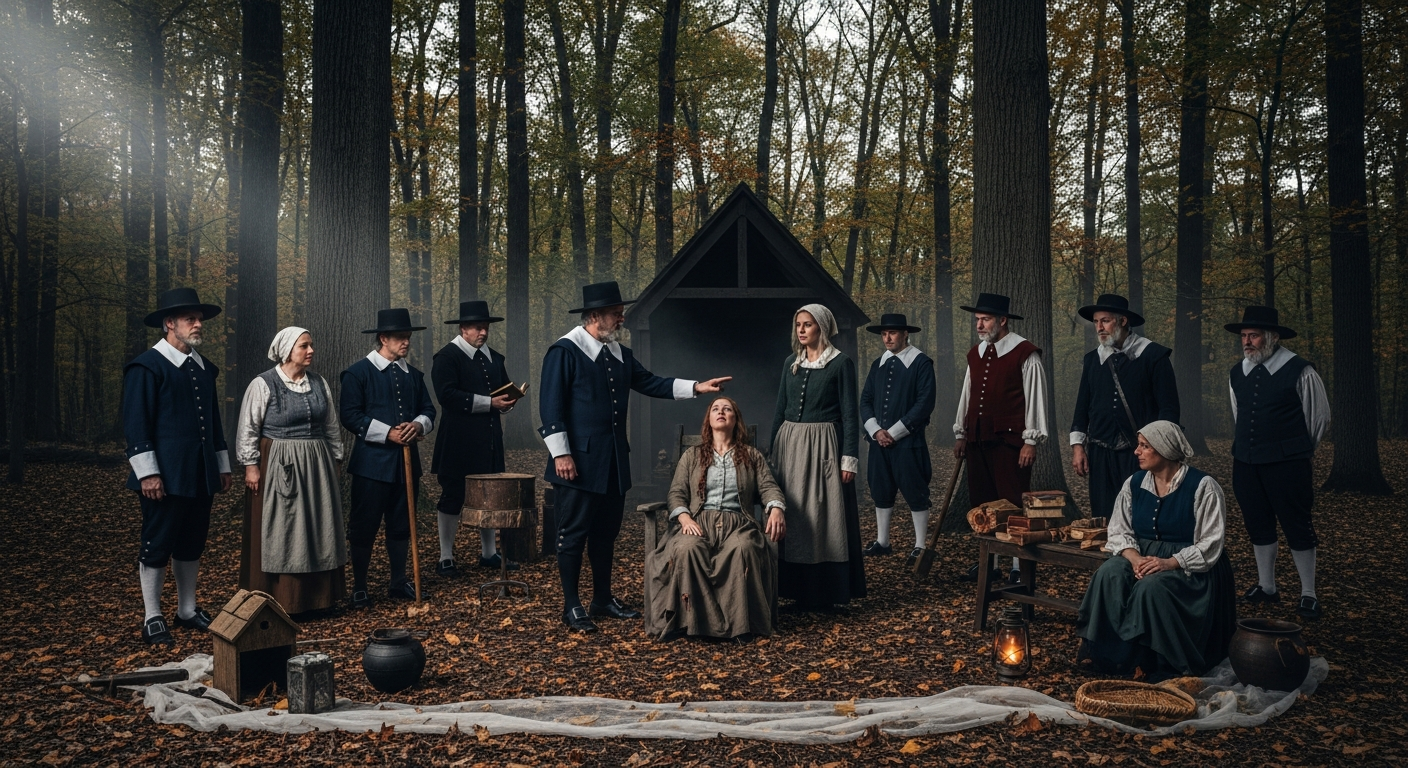
In the United States, the infamous Salem witch trials of 1692 vividly exemplify how gender and social status continued to influence accusations, adapting to the unique American colonial context. The trials primarily targeted women, particularly those who were socioeconomically marginalized or who defied gender norms. Women who spoke publicly, owned property, or did not conform to stringent Puritan religious expectations were particularly vulnerable. The social fabric of Salem, characterized by intense religious fervor, land disputes, and economic uncertainty, created fertile ground for accusations to flourish.
Of the 20 people executed during the Salem trials, 14 were women, maintaining the European pattern of gendered persecution. However, the American context introduced new dynamics. The frontier environment created additional stresses—conflicts with Native Americans, economic competition, and religious dissent—that influenced accusation patterns. Historian Mary Beth Norton’s research reveals that many Salem accusers had experienced trauma from King William’s War (1688-1697), and their accusations often targeted women who reminded them of their vulnerabilities.
The Salem trials also reveal how gendered accusations intersected with other social tensions, such as class and religious dissent. Women who challenged male authority—whether as independent property owners like Martha Corey, who owned substantial land, or as vocal members of the community like Rebecca Nurse, who questioned the validity of the accusations—became prime targets. The case of Bridget Bishop, the first person executed, exemplifies this pattern: she was a tavern owner who dressed flamboyantly, had been married three times, and operated independently in a male-dominated business environment.
The Evidence Problem: Gendered Patterns in Testimonies and Evidence
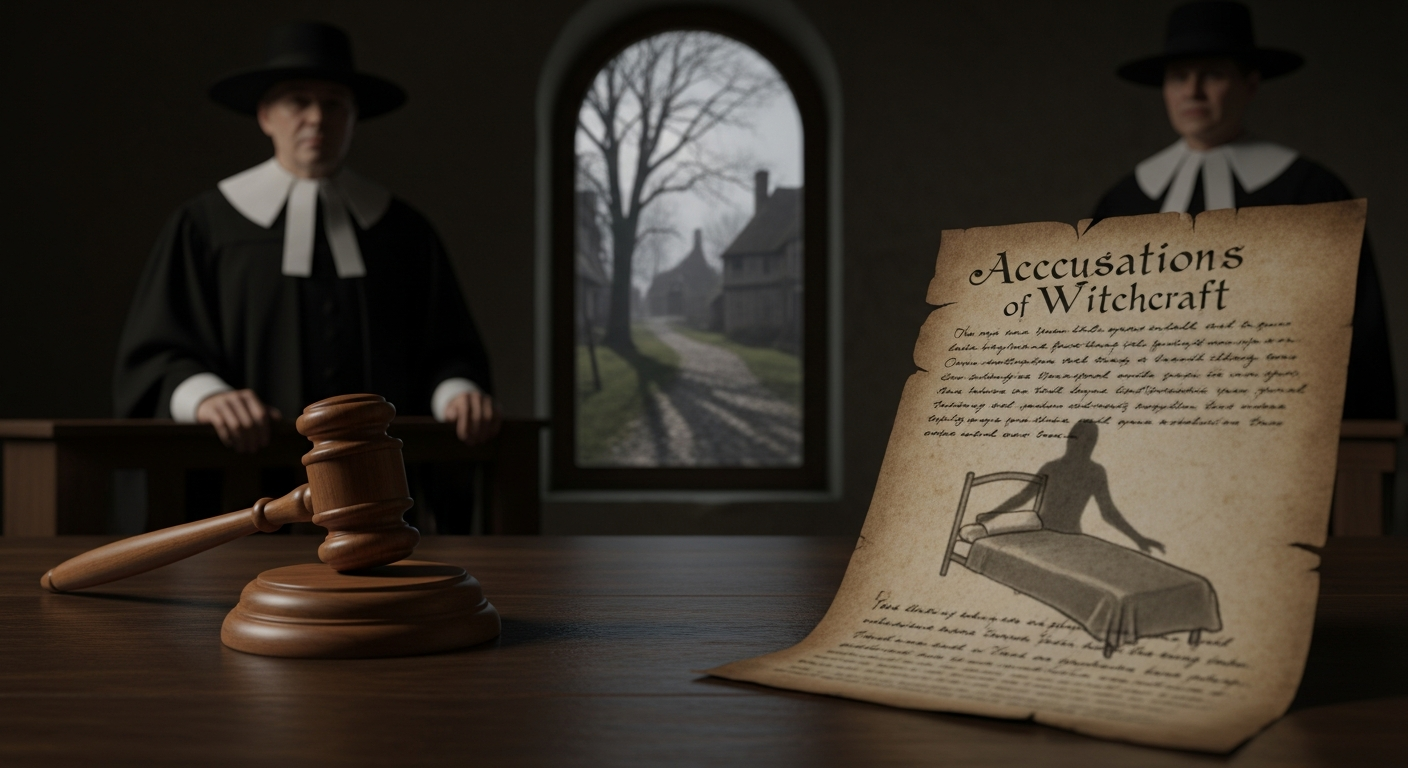
The evidence used in witch trials frequently reflected deep-seated gendered stereotypes and societal biases. Women accused of witchcraft were often subjected to accusations based on their age, appearance, and perceived “gendered” behaviors. Older women who didn’t conform to societal expectations—such as remaining unmarried, being outspoken, or possessing knowledge of herbal medicine—were particularly vulnerable. The evidence base relied heavily on spectral evidence (testimony that a person’s spirit committed acts of witchcraft), personal confessions often obtained under duress, and accusations from neighbors frequently motivated by personal grievances.
The Malleus Maleficarum, published in 1487 by Heinrich Kramer, codified many of these gendered assumptions about witchcraft. This influential text argued that women were more susceptible to demonic influence due to their supposedly weaker intellect and stronger carnal desires. Such “authoritative” sources provided pseudo-scholarly justification for targeting women, creating a feedback loop where cultural prejudices became legal doctrine.
Physical evidence often centered on gendered interpretations of women’s bodies. The infamous “witch’s mark” searches involved intimate examinations of accused women’s bodies for supposed supernatural signs. These examinations, conducted by male authorities, represented profound violations of dignity that were justified through the lens of supernatural investigation. The swimming test, where accused women were bound and thrown into water, was based on the belief that water would reject a witch’s body—a test that put women in impossible situations where survival could be interpreted as guilt.
This pattern of evidence creation, sadly, reinforced gender stereotypes and created a self-perpetuating cycle of accusations. Women who were accused were often coerced into confessing to crimes they did not commit, and their confessions then became “evidence” used to justify further accusations. This cycle was particularly destructive because it transformed the judicial process into a tool for social control rather than a mechanism for justice.
The Impact on Women and Marginalized Groups
The impact of these accusations on women was profound and often devastating. Women who were accused of witchcraft faced social ostracism, the loss of property, and, all too often, execution. For those who survived, the trauma of the experience could last for years, a shadow over their lives. The severe social stigma attached to accusations could prevent women from reintegrating into their communities and frequently led to long-term economic hardships, essentially destroying their futures.
Recent historical research has begun to quantify this impact more precisely. In the German territories alone, an estimated 20,000-25,000 people were executed for witchcraft between 1450 and 1750, with women comprising the vast majority. The economic impact extended beyond individual victims—entire families could be destroyed when the primary breadwinner was accused, and communities lost valuable knowledge when experienced midwives, healers, and wise women were eliminated.
The psychological trauma extended to entire communities. Children who witnessed their mothers, grandmothers, or neighbors accused and executed carried these experiences into adulthood, perpetuating cycles of fear and suspicion. The case studies from Salem show that many accusers later recanted their testimonies, expressing lifelong guilt over their roles in the deaths of innocent people.
The impact on marginalized groups was even more severe. Servants, the poor, and members of minority religious groups were frequently targeted because they already occupied vulnerable social positions. These individuals had fewer social connections and significantly fewer resources to defend themselves against accusations. The targeting of marginalized groups created a cruel feedback loop that reinforced existing social hierarchies and further marginalized those who were already at risk.
Long-Term Consequences: Societal and Legal Changes
The long-term consequences of the witch hunts were profound and, in some ways, paradoxically beneficial. In many regions, the hunts eventually led to significant changes in the legal system, including the development of more rigorous standards of evidence and greater protections for the accused. These changes reflected a growing recognition of the injustices of the previous system and a desperate desire to prevent similar abuses from occurring in the future. The shift from “guilty until proven innocent” towards modern legal principles often found its roots in the excesses of the witch trials.
The Enlightenment critique of witch trials, led by figures like Balthasar Bekker, Christian Thomasius, and Friedrich Spee, helped establish principles that would later influence modern legal systems. Spee’s “Cautio Criminalis” (1631) was particularly influential in arguing against torture and unreliable evidence. These critiques contributed to the development of legal principles such as the presumption of innocence, the right to legal representation, and the requirement for corroborating evidence.
In England, the Witchcraft Act of 1735 marked a turning point by making it illegal to accuse someone of witchcraft, effectively ending the legal persecution of alleged witches. Similar legislative changes occurred across Europe, though the social stigma persisted much longer. The last legal execution for witchcraft in Europe occurred in Switzerland in 1782, but accusations and extrajudicial violence continued in some regions well into the 19th century.
Societally, the hunts undeniably contributed to the marginalization of women and other vulnerable groups for centuries. The legacy of these episodes can still be seen in contemporary discussions about gender equality, the treatment of marginalized communities, and the perils of moral panics. The hunts serve as a chilling cautionary tale about the dangers of allowing societal fears to override fundamental principles of justice and fairness.
Lessons for the Present: Recognizing Patterns and Protecting Vulnerable Populations
The lessons of the witch hunts are clear, compelling, and remarkably relevant for contemporary society. Recognizing the patterns of scapegoating and understanding the societal factors that contribute to accusations can help us prevent similar episodes from occurring in the future. This understanding is particularly important in times of social upheaval, economic uncertainty, or political polarization, when fear and uncertainty can easily lead to the targeting of vulnerable populations.
Modern examples of moral panics—from the Satanic ritual abuse scares of the 1980s to contemporary online harassment campaigns—show striking similarities to historical witch hunts. Social media has created new mechanisms for rapid accusation and public shaming that can destroy lives with minimal evidence. The #MeToo movement, while addressing real issues of sexual harassment and assault, has also raised questions about due process and the balance between believing victims and protecting the accused from false allegations.
Research by sociologist Stanley Cohen on moral panics provides a framework for understanding these phenomena. His work identifies five key stages: concern, hostility, consensus, disproportionality, and volatility—patterns that closely mirror the historical witch hunt process. Understanding these stages can help societies recognize when legitimate concerns are escalating into destructive mass hysteria.
Protecting vulnerable populations requires constant vigilance and proactive measures. Legal protections should be robustly in place to prevent the use of unreliable evidence, and social support networks must be strengthened to provide alternatives to scapegoating. Education programs can help raise critical awareness about the dangers of societal fear, the mechanisms of bias, and the enduring importance of justice and fairness for all.
The Role of Media and Information in Historical and Modern Contexts
The spread of witch hunt accusations was significantly influenced by the information networks of the early modern period. The printing press, invented around 1440, played a crucial role in disseminating both accusations and the ideological framework that supported them. Pamphlets describing witch trials, confessions, and executions circulated widely, creating a shared narrative that normalized and encouraged further accusations.
The Malleus Maleficarum became one of the most widely distributed books of its time, going through 28 editions between 1487 and 1600. This distribution created a standardized approach to identifying, prosecuting, and executing alleged witches across different regions and legal systems. The book’s influence demonstrates how information technology can amplify and systematize persecution.
Modern parallels are evident in how social media and digital communication can rapidly spread accusations and create viral moral panics. The speed and reach of modern communication networks can make contemporary “witch hunts” even more destructive than their historical predecessors, as reputations can be destroyed globally within hours rather than months or years.
Economic Dimensions: The Hidden Financial Motivations
The economic dimensions of witch hunts extended far beyond individual property disputes. In many regions, the prosecution of witches became a profitable enterprise for local authorities. Court fees, confiscated property, and fines created financial incentives for continued prosecutions. In some German territories, the property of convicted witches was divided between the court, the executioner, and local authorities, creating a system where justice was literally for sale.
The case of Julius Echter, Prince-Bishop of Würzburg, illustrates this dynamic. Between 1626 and 1631, his territories executed approximately 1,000 people for witchcraft, with their confiscated property helping to fund his ambitious building projects, including the construction of churches and the expansion of his palace. This systematic exploitation of witch trial victims represents one of the most cynical aspects of the persecution.
Economic historians have noted that witch trials often intensified during periods of economic hardship, when communities were under financial stress and the prospect of confiscated property became more attractive. This pattern suggests that economic desperation could transform latent social tensions into deadly persecution.
Conclusion: A Dark Chapter in Gender and Social Justice
The role of gender and social status in witch hunt accusations reveals a dark, pivotal chapter in the history of social justice. These episodes powerfully demonstrate how societal fears and deep-seated biases can lead to the persecution of innocent individuals, often with tragic and irreversible consequences. Understanding these patterns is absolutely essential for preventing similar abuses in the future and for striving to create societies that are more just, equitable, and compassionate.
The witch hunts represent more than historical curiosity—they provide a lens through which we can examine the persistent vulnerabilities in human societies. The targeting of women, the elderly, the poor, and the socially marginal reveals patterns that persist in different forms today. From workplace harassment to online bullying, from political persecution to social media shaming, the fundamental dynamics of scapegoating and mass hysteria continue to threaten vulnerable populations.
By meticulously studying the factors that contributed to the witch hunts, we can develop better, more effective strategies for protecting vulnerable populations and ensuring that justice is served fairly, rooted in evidence and human dignity. This understanding can help us create societies where fear and suspicion do not override the fundamental principles of justice and fairness. The lessons of the witch hunts remain chillingly relevant today, and they serve as an enduring reminder of the importance of vigilance, empathy, and critical thinking in the pursuit of a truly just world.
The historical record shows us that societies are capable of both tremendous cruelty and remarkable progress. The same legal systems that once burned women as witches eventually developed protections for the accused that form the foundation of modern justice. This transformation offers hope that contemporary societies can learn from these dark chapters and build more equitable systems that protect rather than persecute the vulnerable.
Frequently Asked Questions
Question 1: How did gender influence the types of accusations made during the witch hunts?
Gender profoundly influenced the accusations made during witch hunts, in ways that might surprise you. Women, especially those over 40 and unmarried, were overwhelmingly more frequently accused, largely due to deeply ingrained societal perceptions of women as morally and spiritually vulnerable. Accusations often targeted women who challenged established gender norms—such as widows who inherited property or women who spoke publicly and asserted independence—precisely because they threatened traditional gender roles and power structures.
The types of alleged crimes also differed by gender. Women were typically accused of maleficium (harmful magic) affecting fertility, childbirth, livestock, and domestic affairs—areas traditionally associated with female responsibilities. They were accused of causing impotence in men, stillbirths, crop failures, and livestock deaths. Men, when accused, were more often charged with weather magic, political sorcery, or leading covens—crimes that reflected male spheres of influence.
Key Insight: Witchcraft accusations were often a tool to enforce gender conformity and maintain male dominance, with the specific crimes reflecting gendered expectations of power and responsibility.
Question 2: Why were widows particularly vulnerable to witchcraft accusations in the early modern period?
Widows were uniquely vulnerable because their existence inherently challenged traditional family and property structures, especially in patriarchal societies. Upon their husband’s death, widows often inherited land and wealth, which could threaten male heirs or local landowners’ economic interests. Their newfound independence, combined with societal suspicion of women operating outside direct male marital authority, made them easy targets for accusations that could be readily used as a means of social and economic control, effectively “displacing” them.
The vulnerability was compounded by demographic realities. In early modern Europe, women typically outlived men, and wars, plagues, and occupational hazards created large populations of widows. These women often possessed valuable knowledge about property boundaries, debts, and family histories that could complicate inheritance disputes. Eliminating them through witchcraft accusations could simplify complex legal situations while redistributing their assets.
Additionally, widows often maintained relationships with other women—networks that could be interpreted as suspicious gatherings. Their knowledge of herbal remedies, midwifery, and folk healing practices, gained through years of managing household health, could be reframed as evidence of supernatural knowledge during periods of social tension.
Key Insight: A widow’s economic autonomy was often perceived as a threat, making her a prime target for property-driven persecution disguised as spiritual purification.
Question 3: What impact did social class have on the severity of punishments for accused witches?
Social class significantly, and tragically, influenced the severity of punishments in ways that reveal the intersection of supernatural fears and earthly power structures. Nobles and clergy, despite sometimes being accused, could often avoid conviction or receive lighter punishments due to their powerful social connections, wealth, and influence within the judicial system. They had access to better legal representation, could afford to flee to other jurisdictions, and possessed social networks that could intervene on their behalf.
The case of Katharina Kepler demonstrates this dynamic—her son Johannes Kepler’s scientific reputation and social connections helped secure her release after 14 months of legal proceedings, despite serious charges. In contrast, lower-class women faced the most brutal outcomes, including torture and execution, with few avenues for appeal or defense. They were more likely to be subjected to physical examinations, torture to extract confessions, and summary executions.
Court records show that peasant women were executed at rates nearly three times higher than women from merchant or noble families. The quality of evidence required for conviction also varied by class—accusations against nobles required more substantial proof, while accusations against the poor were often accepted with minimal corroboration.
Key Insight: Justice was not blind; social status offered a shield, while poverty amplified vulnerability to extreme punishment, revealing how supernatural fears were filtered through very earthly power structures.
Question 4: What evidence patterns reveal clear gender bias in early modern witch trials?
Evidence patterns reveal glaring gender bias through both the types of accusations and the sources of evidence considered credible. Women were commonly accused based on their appearance, age, or perceived “gendered” behaviors such as midwifery, herbal knowledge (often misinterpreted as dark magic), or even simply being outspoken. Perhaps most revealing, spectral evidence—testimony that a person’s spirit committed acts of witchcraft—was far more commonly accepted against women, fueling mass hysteria.
The physical examination of accused women’s bodies for “witch’s marks” represents one of the most invasive forms of gendered evidence. These examinations, conducted by male authorities, searched for supernatural signs like unusual moles, scars, or growths. The “swimming test” put women in impossible situations where survival could be interpreted as guilt, while drowning was seen as proof of innocence—a posthumous vindication.
Confessions, frequently extracted under duress, then served as further “evidence” against women, reinforcing pre-existing gender stereotypes. The content of these confessions often reflected gendered assumptions about women’s sexuality, with detailed descriptions of sexual encounters with demons that served male fantasies more than supernatural realities. Women’s confessions were also more likely to implicate other women, creating networks of accusation that reflected female social relationships.
Key Insight: “Evidence” was often a reflection of gendered fear and prejudice, not objective fact, with women’s bodies, behaviors, and relationships all subject to supernatural interpretation.
Question 5: How did the American Salem witch trials reflect continuing gender and social status biases?
The Salem trials, a pivotal moment in American history, starkly reflected continuing gender and social status biases by overwhelmingly targeting women and marginalized individuals, while adapting these European patterns to the unique colonial American context. Women who dared to defy gender norms—such as speaking publicly, owning property, or challenging strict Puritan religious authority—were particularly vulnerable. Of the 20 people executed, 14 were women, maintaining the European pattern of gendered persecution.
The trials also laid bare deep social tensions between different economic groups—prosperous merchants versus poorer farmers, established Salem Town versus the rural Salem Village—creating additional pressure on certain groups and leading to targeted accusations. The accusers were primarily young women from Salem Village, while many of the accused were older women from more prosperous families or those with connections to Salem Town, revealing how economic resentment fueled supernatural accusations.
The American frontier context introduced new dynamics. Many accusers had experienced trauma from King William’s War and conflicts with Native Americans, and their accusations often targeted women who reminded them of their vulnerabilities or who represented stability they lacked. The case of Martha Corey, who owned substantial land and questioned the validity of the accusations, exemplifies how economic independence and intellectual assertiveness made women targets.
Key Insight: Salem revealed how socio-economic anxiety weaponized existing gender biases against those who didn’t fit the mold, with American colonial tensions adding new layers to ancient patterns of persecution.
Question 6: What lessons from historical witch hunts are most relevant for contemporary society?
The lessons from historical witch hunts are incredibly relevant today, offering crucial insights into how societies can protect themselves from mass hysteria and scapegoating. They vividly illustrate the profound dangers of societal fear overriding principles of justice and the critical importance of protecting vulnerable populations from collective persecution. Recognizing patterns of scapegoating and understanding the societal factors that contribute to mass accusations can help prevent similar episodes in any context, whether it’s online harassment campaigns, political persecution, or social media shaming.
Modern moral panics—from the Satanic ritual abuse scares of the 1980s to contemporary cancel culture phenomena—show striking similarities to historical witch hunts. Social media has created new mechanisms for rapid accusation and public shaming that can destroy lives with minimal evidence, often targeting those who challenge prevailing orthodoxies or belong to marginalized groups.
Robust legal protections should always be in place to prevent the use of unreliable evidence, and strong social support networks are crucial to provide alternatives to targeting the “other.” The development of due process rights, the presumption of innocence, and requirements for corroborating evidence all emerged partly as responses to the excesses of witch trials. Furthermore, education programs can help raise awareness about the insidious dangers of collective fear, the psychology of scapegoating, and the enduring importance of upholding justice and fairness for everyone.
Key Insight: Vigilance against scapegoating and the protection of vulnerable groups are timeless lessons from the witch hunts, requiring constant attention to prevent history’s darkest chapters from repeating in new forms.