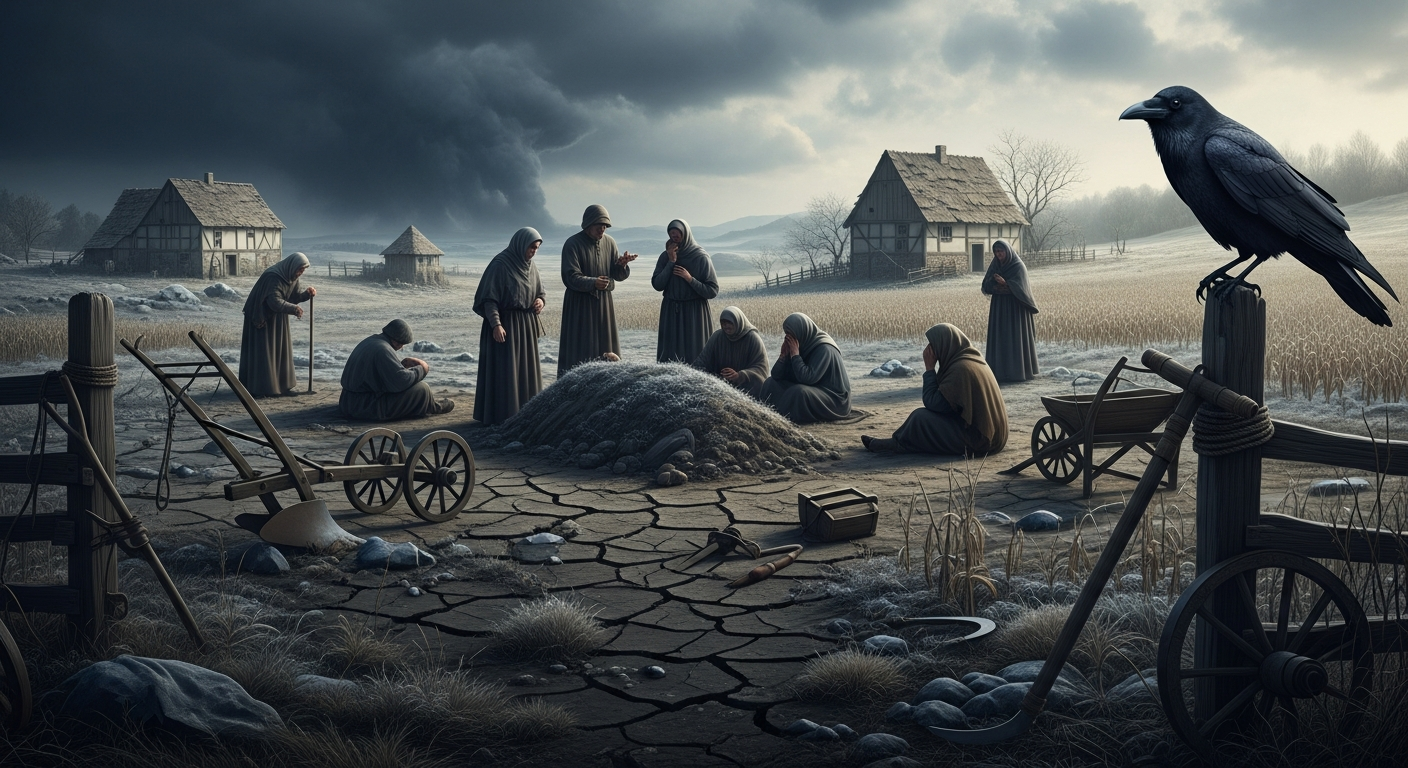
Why the Black Death Unleashed Unprecedented Devastation in the 14th Century: Unpacking the Perfect Storm that Remade Europe
When we ponder the most catastrophic events in human history, the Black Death of the 14th century undeniably claims a top spot. It wasn’t merely a pandemic; it was a profound global upheaval that didn’t just decimate populations, but fundamentally reshaped European society, economies, religious beliefs, and even the very fabric of daily life. To truly grasp why it was so devastating—why it tore through communities with such terrifying efficiency—we need to peel back historical layers, moving beyond simple contagion to examine the intricate web of social, medical, and environmental factors that magnified its impact.
So, let’s journey through the dark corridors of history to uncover the secrets behind the Black Death’s unparalleled devastation. What’s truly fascinating is how a confluence of seemingly disparate elements conspired to create a nightmare scenario that still echoes through our understanding of pandemics today. Here’s what most people don’t realize: the Black Death’s devastation wasn’t just about the disease itself—it was about how perfectly it exploited every weakness in medieval society. For more details, see our guide on Exploring Colonial Exploitation’s True Drivers.
A Confluence of Catastrophe: The Conditions Priming Europe for the Plague
The sheer scale of the Black Death’s devastation wasn’t accidental or random; it was the chilling outcome of a convergence of environmental, societal, and biological circumstances that brewed a literal perfect storm for catastrophe. It’s a sobering reminder of how interconnected our world truly is, even centuries ago. For more details, see our guide on Inquisition’s Tools: Secrets of Control Unveiled.
Environmental Triggers: A World Already Under Stress
Climate Patterns: The 14th century was already reeling from a significant climatic shift known as the Little Ice Age, which began around 1300. This period brought colder temperatures and shorter growing seasons, leading to widespread crop failures between 1315-1322 in what historians call the Great Famine. What’s particularly striking is that this climate stress directly weakened populations through malnutrition, making them far more susceptible to disease, and disrupted the very trade routes that would later carry the plague. Malnourished populations have compromised immune systems—a biological reality that turned entire communities into vulnerable targets.
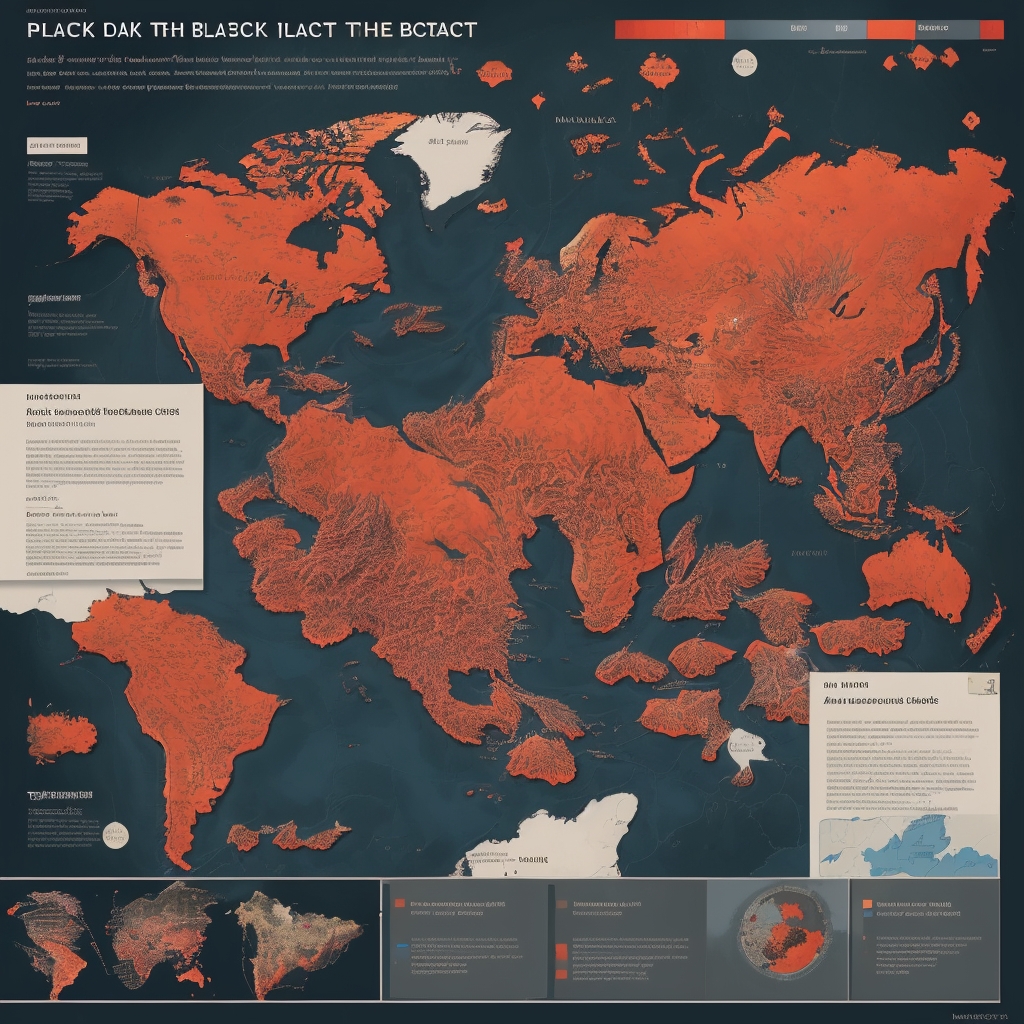
Trade Networks as Highways of Death: While essential for commerce, the burgeoning Silk Road and Mediterranean trade routes inadvertently became superhighways for the disease. The bacterium Yersinia pestis traveled effortlessly from its origins in Central Asian rodent populations to European ports. Infected black rats (Rattus rattus) and their flea hitchhikers (Xenopsylla cheopis) found perfect conditions aboard merchant vessels. Ports like Genoa and Venice, vibrant hubs of prosperity, tragically became the primary gateways for the pandemic’s relentless spread into Western Europe. The irony is stark: the same interconnectedness that brought wealth and cultural exchange also delivered death.
Societal Vulnerabilities: Living Conditions Amplifying Contagion
Rapid Urbanization: Europe’s burgeoning cities, while centers of innovation, were also dense petri dishes for disease transmission. Medieval urban planning was virtually nonexistent—overcrowded homes often housed extended families in single rooms, with multiple generations sharing cramped quarters. Poor sanitation meant that once Yersinia pestis arrived, it could rip through populations with frightening speed. Picture the squalor: open sewers running through streets, refuse piled against building walls, and multi-story tenements where disease could spread from floor to floor through infected fleas and respiratory droplets.
Unregulated Trade and Commerce: The same interconnected trade networks that fueled unprecedented economic growth also, rather ironically, facilitated the unchecked spread of the disease. Merchants and sailors, unknowingly carrying infected goods or serving as asymptomatic carriers, traversed continents, acting as silent vectors for the bacteria. Grain shipments, textile bales, and other commodities provided perfect hiding spots for infected rodents and fleas, creating a biological time bomb that exploded across Europe.
Biological Efficiency: The Pathogen’s Deadly Adaptability
Pathogen Prowess: Yersinia pestis, the bacterium behind the Black Death, was remarkably effective at exploiting multiple transmission pathways. Its versatility was key: it could manifest as bubonic plague (transmitted through flea bites), pneumonic plague (spread through respiratory droplets directly between humans), and septicemic plague (through contact with infected tissues or blood). This multi-modal transmission made it an incredibly resilient and terrifying foe, completely baffling contemporary understanding of disease.
Crucial Transmission Vectors: While fleas on rats were undeniably the primary vectors for the bubonic form, the bacterium’s ability to evolve into pneumonic infection meant it could then jump directly between humans via respiratory droplets. This pneumonic form was particularly devastating—with mortality rates approaching 95-100% and an incubation period of just 1-3 days. Unlike bubonic plague, which required flea bites, pneumonic plague spread through coughing and breathing, making it virtually unstoppable in dense urban environments.
The Unraveling: Societal Collapse and Its Grim Multiplier Effect
The sheer pressure of the Black Death didn’t just cause individual suffering; it fractured the very social fabric of Europe. This unraveling, rather tragically, created environments where the disease could spread even more rapidly, creating a vicious cycle of devastation that fed upon itself.
Catastrophic Population Decline: A Demographic Scar
The Stark Statistics: Modern demographic analysis suggests that Europe’s population plummeted by an estimated 30-60% between 1347-1353, with some regions experiencing even more severe losses. Florence lost approximately 75-80% of its inhabitants, while England’s population dropped from roughly 4 million to 2.5 million. In some smaller towns and villages, the silence was absolute—entire populations vanished, leaving deserted streets and abandoned buildings as vivid memento mori to the plague’s power.
Long-Term Echoes: Recovery from such an immense demographic shock was painfully slow and uneven. Some regions took over two centuries to regain their pre-pandemic populations. This prolonged demographic depression led to lasting economic stagnation, abandoned agricultural lands reverting to wilderness, and profound social upheaval that fundamentally reshaped the continent’s development trajectory.
Profound Economic Disruption: Labor, Land, and Power Shifts
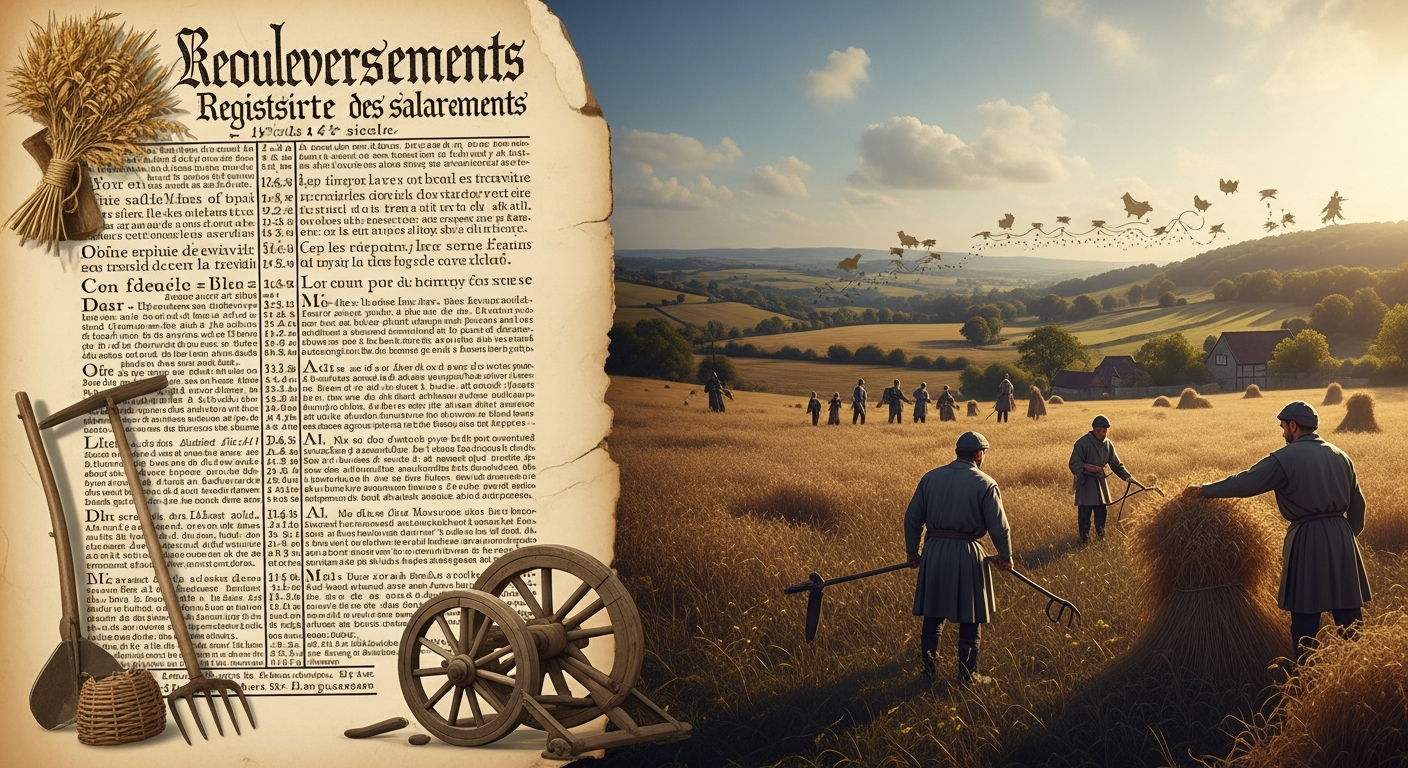
The Labor Revolution: With so many workers gone, surviving peasants and artisans found themselves in an unprecedented position of power—a complete reversal of medieval social dynamics. Labor shortages drove wages dramatically upwards, sometimes doubling or tripling pre-plague rates. Landowners, accustomed to abundant cheap labor, faced escalating costs and struggled to find enough hands for harvests and manufacturing, fundamentally challenging the feudal system’s economic foundation.
Reshaping Land Use: Vast swathes of previously cultivated lands, once carefully tilled, were abandoned and often converted to less labor-intensive uses like hunting preserves or sheep pasture. This shift from grain production to pastoral farming required fewer workers but also meant less food production, creating long-term agricultural changes. Surviving serfs gained significant bargaining power, demanding freedoms, better terms, or the right to move to areas offering higher wages—accelerating the decline of serfdom across Europe.
The Breakdown of Order: Law, Religion, and Community
Institutional Overwhelm: Institutions that formed the backbone of medieval society were completely overwhelmed. The Catholic Church, which provided not just spiritual comfort but also critical social services like hospitals, schools, and charity distribution, saw devastating losses among its clergy. Priests, monks, and nuns, who ministered directly to the sick and dying, experienced mortality rates as high as 40% in some regions, severely weakening community cohesion and trust in traditional authorities.
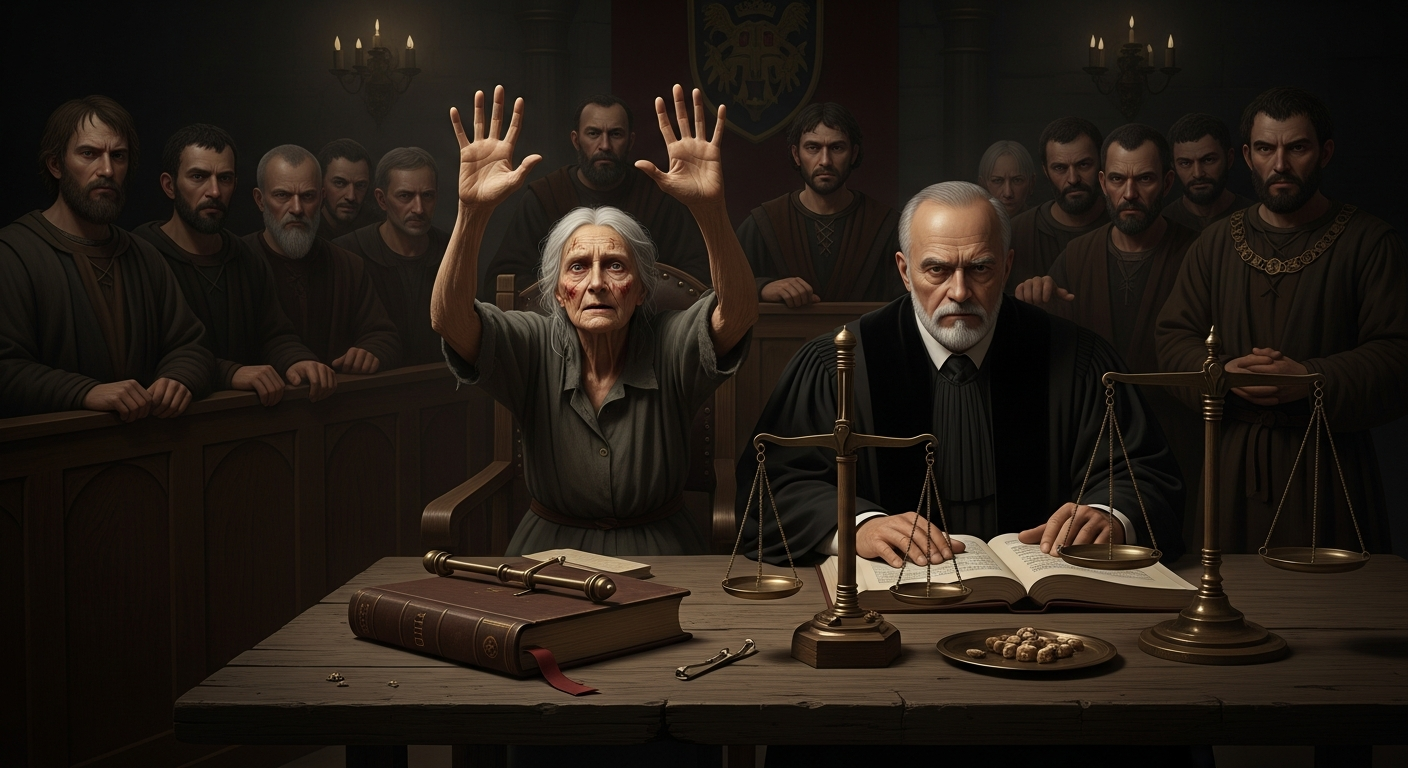
Legal and Political Chaos: Local governments, often fragmented and resource-poor even in normal times, struggled immensely to maintain any semblance of order. Courts closed, tax collection became impossible, and law enforcement broke down. Local authorities frequently lacked the resources, knowledge, or manpower to enforce quarantine measures, provide aid, or even manage the overwhelming number of corpses, leading to widespread civic disarray and social breakdown.
Blinded by Ignorance: Medical and Scientific Limitations That Guaranteed Catastrophe
In the 14th century, medical knowledge was, quite frankly, rudimentary and often counterproductive. This profound ignorance wasn’t just a contributing factor; it was a fundamental magnifier that allowed the Black Death to rage unchecked through societies with terrifying, almost surgical, efficiency.
A World Without Germ Theory: The Inability to Fight Back
The Miasma Myth: The concept of microscopic disease-causing organisms wouldn’t emerge for another 500 years. Instead, people widely believed in the “miasma theory”—that disease was caused by “bad air” or corrupted atmosphere, often associated with foul smells from swamps, rotting matter, or sewage. This led to utterly ineffective and sometimes harmful “remedies,” as the true bacterial enemy remained invisible and incomprehensible to medieval minds.
Alien Concepts: The revolutionary idea that unseen microorganisms could cause disease was genuinely beyond medieval comprehension. Instead, explanations for the plague ranged from divine punishment for humanity’s sins and malevolent astrological conjunctions to poisoning by malicious groups or even supernatural causes. These explanations, while understandable given the knowledge limitations, led to responses that often worsened the crisis.
Futility of Treatment: Hope Replaced by Despair
Traditional, Ineffective Remedies: The “treatments” of the day were a dangerous blend of superstition, flawed observation, and ancient medical theory. Common approaches included bloodletting (which weakened already sick patients), burning aromatic herbs to “purify” the air, lancing buboes (which often led to secondary infections), and administering various herbal concoctions. These provided false hope while draining precious resources and doing nothing to combat the bacterial infection.
Humoral Medicine’s Fatal Flaws: Medieval medicine was dominated by the ancient Greek theory of the four humors (blood, phlegm, yellow bile, and black bile), which held that disease resulted from imbalances between these bodily fluids. Treatments focused on “rebalancing” humors through bloodletting, purging, and dietary changes—approaches that were not only ineffective against bacterial infection but often weakened patients further, making them more likely to die.
Preventive Measures: Too Little, Too Late, Too Inconsistent
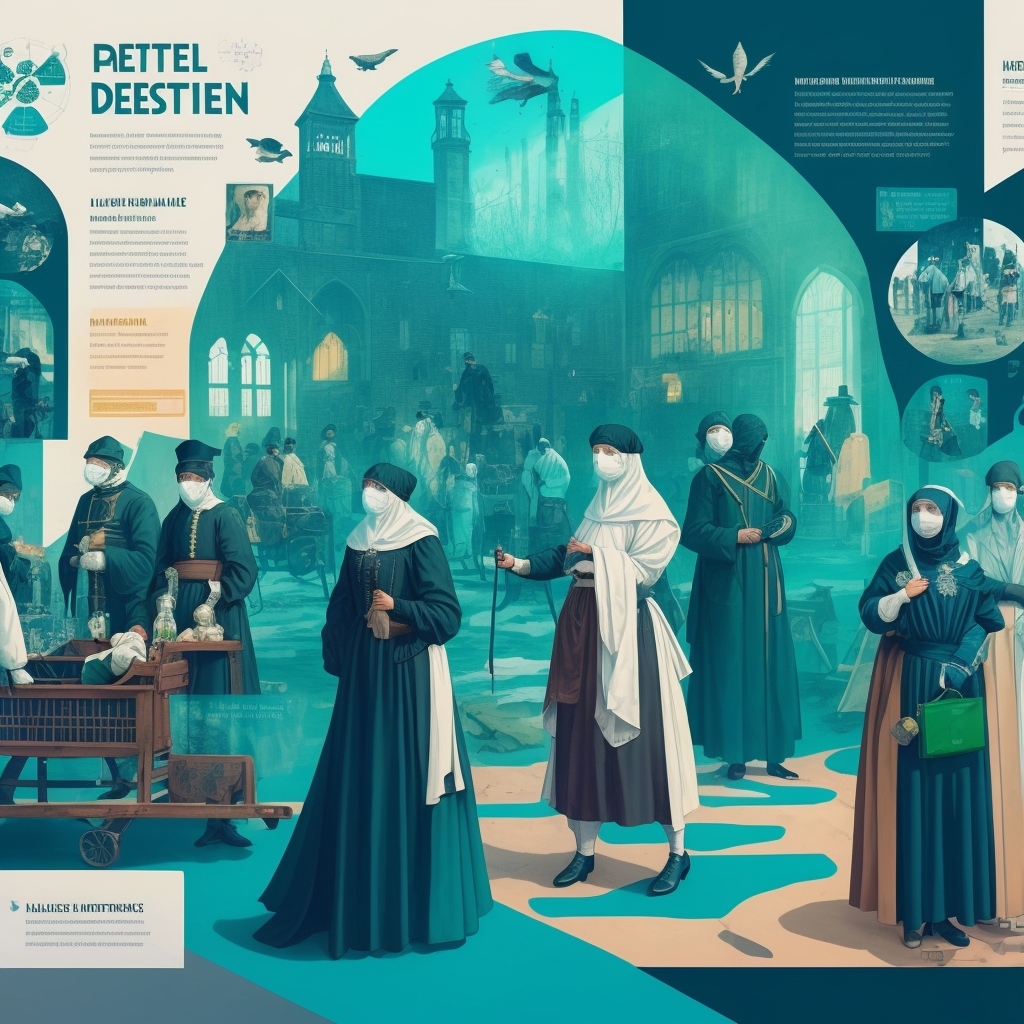
Early, Imperfect Quarantine: Venice implemented one of history’s first systematic quarantine measures, the quarantena (40-day isolation period), but the underlying understanding of transmission was critically incomplete. Quarantine periods varied wildly between cities, enforcement was inconsistent, and often the disease had already spread widely through communities before measures could take effect. Moreover, many quarantine efforts focused on isolating the sick rather than preventing transmission from asymptomatic carriers.
Poor Hygiene as a Constant Companion: Basic hygiene practices, particularly in crowded urban areas, were appalling by modern standards. Streets served as open sewers, human and animal waste contaminated water supplies, and personal cleanliness was limited by lack of soap, clean water, and understanding of hygiene’s role in disease prevention. These conditions created ideal environments for flea populations and bacterial survival.
The Human Response: Fear, Misinformation, and Social Fallout
Perhaps one of the most disheartening aspects of the Black Death’s impact was how human social responses often compounded the suffering and created new problems—a pattern that remains eerily familiar in modern pandemic responses.
Panic and the Scapegoat Mentality: A Dark Chapter
Targeting the Vulnerable: In times of incomprehensible crisis, societies often seek someone to blame. Tragically, Jewish communities became primary scapegoats across Europe, facing accusations of poisoning wells or conspiring to spread the disease. This led to horrific pogroms, with entire Jewish communities massacred in cities like Strasbourg, Mainz, and Cologne. These attacks not only caused immense human suffering but also deprived communities of vital economic contributors and social cohesion.
Rampant Conspiracy Theories: Wild rumors spread faster than the disease itself—stories of deliberate poisoning, foreign conspiracies, or supernatural causes fueled violent mobs and misguided protective efforts. Some communities turned against physicians, accusing them of spreading disease, while others blamed travelers, foreigners, or marginalized groups. These conspiracy theories corroded social trust and undermined rational response efforts.
Religious Extremism and Questioning Faith
The Flagellant Phenomenon: Groups of flagellants emerged across Europe, convinced the plague was divine punishment for humanity’s sins. These penitents traveled from town to town in processions, publicly whipping themselves bloody to atone for collective guilt. Ironically, these mass gatherings often inadvertently spread the disease further while disrupting local authority and social order. The movement grew so disruptive that Pope Clement VI eventually condemned it in 1349.
Crisis of Faith: The Church faced an unprecedented crisis as the pandemic challenged fundamental beliefs about divine justice and protection. Why did the pious die alongside sinners? Why did prayers and religious devotion seem powerless against the disease? Some clergy abandoned their posts in fear, while others became heroic martyrs, tending to the sick until they too succumbed. This dual response—both abandonment and sacrifice—created profound religious upheaval that would influence European spirituality for centuries.
Government and City Responses: Uneven and Often Ineffective
Sporadic Lockdowns and Quarantines: While some cities like Milan implemented strict measures—sealing city gates, refusing entry to travelers, and isolating suspected cases—most quarantine efforts were implemented sporadically and inconsistently. The disease’s rapid spread and long incubation period often rendered these piecemeal efforts largely ineffective. Cities that acted quickly and decisively, like Milan, fared better than those that delayed or implemented half-measures.
Financial Strain and Welfare Collapse: Medieval governments, already limited in scope and resources, struggled profoundly to fund relief efforts. Some cities imposed special taxes to pay for plague measures, while others simply watched helplessly as their tax base died off. Traditional welfare systems, largely managed by religious institutions, collapsed as clergy died and church resources were overwhelmed, leaving survivors without social safety nets.
The Aftermath: How the Black Death Catapulted Europe into a New Era
The unparalleled devastation of the Black Death wasn’t just an end; it was a radical beginning. Its ripples profoundly changed Europe and, by extension, the world, shaping the course of history for centuries to come in ways that historians are still uncovering today.
Demographic Tectonic Shifts
Population Recovery Patterns: The massive population decline created unique demographic patterns that persisted for generations. Some regions experienced rapid recovery through immigration and higher birth rates, while others remained depopulated for centuries. England’s population didn’t return to pre-plague levels until the late 16th century, while some parts of Germany took even longer to recover.
Reshaping Migration and Settlement: Survivors often abandoned devastated rural areas for healthier regions or growing cities, fundamentally altering settlement patterns across Europe. This wasn’t merely relocation—it represented a complete recalibration of where and how people lived, worked, and organized their communities. New population centers emerged while others became ghost towns, creating a dramatically different European landscape.
Economic Re-wiring: The Birth of a New Economy
Labor Market Revolution: This transformation was perhaps the most studied and significant impact. Wages for skilled workers rose dramatically—sometimes doubling or tripling—due to severe labor scarcity. Agricultural workers, previously bound to the land as serfs, gained unprecedented bargaining power and mobility. The traditional feudal system, which depended on abundant cheap labor, began its irreversible decline as landowners were forced to offer better terms, higher wages, and greater freedoms to attract workers.
Technological Innovation and Efficiency: Labor shortages spurred technological innovation as survivors sought ways to accomplish more work with fewer people. This period saw increased adoption of labor-saving devices, improved agricultural techniques, and more efficient production methods. The economic pressure created by population loss became a catalyst for the technological advances that would later fuel the Renaissance and early modern period.
New Urban Centers and Trade Routes: While some established cities declined, others grew rapidly as survivors migrated from less healthy rural areas. This demographic shift led to a fundamental reorientation of trade patterns, with new markets emerging and old trade routes sometimes declining in importance. Cities that had been peripheral before the plague sometimes became major commercial centers, while previously dominant cities lost their economic primacy.
Cultural and Religious Metamorphosis
Art Reflecting Mortality: The trauma of the plague permeated every aspect of cultural expression. Memento mori (reminders of death) became ubiquitous themes in art, literature, and daily life, reflecting society’s profound preoccupation with mortality and the fragility of human existence. The famous “Dance of Death” artistic motif emerged during this period, depicting death as the great equalizer that claimed pope and peasant alike.
Literary and Philosophical Changes: The plague influenced major literary works, including Boccaccio’s Decameron and Chaucer’s Canterbury Tales, which reflected new attitudes toward death, social hierarchy, and human nature. Philosophical thought began to shift toward more individualistic and secular perspectives, laying groundwork for Renaissance humanism.
A Catalyst for Religious Reform: The crisis of faith spurred by the plague led to significant internal reforms within the Catholic Church and fostered increased interest in personal piety, mysticism, and direct spiritual experience. This religious upheaval arguably laid crucial groundwork for the Protestant Reformation movements that would emerge in the following centuries.
The Unintended Genesis of Public Health
Precursors to Modern Public Health: Despite lacking germ theory, the Black Death experience laid crucial groundwork for public health concepts. Venice’s quarantine system, while imperfect, represented an early recognition that disease could be contained through systematic isolation measures. Other cities developed early forms of health boards and disease surveillance systems.
Medical Advancements (Eventual): While immediately devastating, the tragedy of the Black Death inadvertently pushed forward medical inquiry in later centuries. The pandemic’s scale and impact fostered the development of more systematic hospitals, medical schools, and empirical approaches to disease study. The urgent need for better medical understanding would eventually contribute to the scientific revolution.
5 Game-Changing Lessons from the Black Death for Modern Disease Preparedness
While we cannot prevent the emergence of new diseases, the Black Death offers profoundly valuable, even urgent, lessons about preparedness, resilience, and the critical importance of coordinated response in our interconnected modern world. Try these insights and see how they transform your understanding of pandemic preparedness.
1. Understanding Transmission is Your First Line of Defense (And Often Counter-Intuitive)
Here’s what most people don’t realize: The Black Death’s impact was magnified precisely because people didn’t understand how it spread. Modern epidemiology shows that grasping transmission pathways—whether airborne, droplet, vector-borne, or contact-based—is the absolute foundation for effective containment. Without this knowledge, even well-intentioned efforts become shots in the dark.
The insider secret: We’ve seen with COVID-19 how initial misunderstandings about airborne versus droplet transmission profoundly shaped public health advice and its effectiveness. The medieval focus on “bad air” wasn’t entirely wrong—they recognized something about environmental transmission—but their lack of understanding about specific vectors (fleas, respiratory droplets) made their responses largely ineffective.
What works: Effective disease containment begins with robust, real-time epidemiological intelligence. Modern contact tracing, genetic sequencing of pathogens, and rapid transmission studies provide the foundation that medieval societies completely lacked.
2. Globalized World Demands Global Cooperation (No Nation is an Island)
The game-changer insight: The Black Death’s journey along the Silk Road and maritime trade routes starkly demonstrated that disease respects no borders. Our 21st-century globalized world, with its rapid air travel and complex supply chains, makes international cooperation in disease surveillance and response not just advisable, but absolutely essential for survival.
Why this matters more than ever: A pathogen emerging in one corner of the globe can be in any major city within 24 hours—a speed that makes medieval trade route transmission look glacial by comparison. The COVID-19 pandemic proved this reality, with the virus spreading globally in weeks rather than the years it took the Black Death to cross continents.
The actionable takeaway: Coordinated global health infrastructure and rapid information sharing are our first lines of defense. International disease surveillance networks, shared research databases, and coordinated response protocols can mean the difference between containment and catastrophe.
3. Invest in Public Health Infrastructure: Your Society’s Hidden Resilience
What most leaders miss: The medieval world’s lack of even basic public health infrastructure—no organized sanitation, limited hospitals, no disease surveillance systems—directly contributed to the Black Death’s unbridled spread. Investing proactively in these areas before a crisis can save countless lives and prevent economic collapse during outbreaks.
The multiplier effect: Robust public health systems don’t just fight disease—they maintain social stability, economic continuity, and public trust during crises. Medieval societies that had better infrastructure (like some Italian city-states with early quarantine systems) generally fared better than those without any organized response capabilities.
Try this approach: Proactive investment in public health pays dividends exponentially when a crisis hits. This includes everything from well-funded hospitals and accessible sanitation to rapid testing capabilities, contact tracing systems, and emergency response protocols. The cost of preparation is always less than the cost of response.
4. Combating Misinformation is as Crucial as Combating the Pathogen Itself
The uncomfortable truth: The Black Death was accompanied by a terrifying wave of panic, scapegoating, and conspiracy theories that often led to more social breakdown and violence than the disease itself. This historical parallel is incredibly relevant today—misinformation corrodes trust, undermines public health efforts, and can exacerbate social tensions to dangerous levels.
Here’s what history teaches: Medieval conspiracy theories about well-poisoning and divine punishment led to pogroms, social violence, and the breakdown of community cooperation needed for effective disease response. Modern misinformation can be equally destructive, undermining vaccination efforts, promoting dangerous “cures,” and eroding trust in public health authorities.
The winning strategy: Clear, consistent, and trusted communication from authorities is vital to maintaining an effective public health response. This means investing in science communication, building trust with communities before crises hit, and having systems in place to rapidly counter misinformation with accurate, accessible information.
5. Master the Delicate Balance: Health, Economy, and Social Well-being
The ultimate challenge: Medieval societies grappled with how to protect their populations without completely destroying their economic and social fabric—a challenge that remains profound for modern societies during pandemics. Lockdowns and restrictions have broad economic and psychological impacts that can create their own health crises.
What the Black Death teaches: Societies that found ways to maintain some economic activity while implementing health measures often recovered faster than those that experienced complete economic collapse. The key was finding targeted, sustainable interventions rather than all-or-nothing approaches.
The modern application: Resilient societies understand that comprehensive crisis management must address all facets of human life, not just the biological threat. This means developing nuanced policies that protect public health while supporting economic continuity, mental health, education, and social cohesion. The goal is sustainable response that communities can maintain over extended periods.
Frequently Asked Questions
Why was the Black Death so much more devastating than other medieval diseases?
The Black Death’s unprecedented devastation resulted from a perfect storm of factors that other medieval diseases didn’t encounter. Unlike typical seasonal illnesses, the plague struck a population already weakened by climate-induced famine, exploited the era’s expanding trade networks for rapid spread, and manifested in multiple deadly forms (bubonic, pneumonic, and septicemic). Most critically, it arrived when European societies had no understanding of bacterial transmission, no effective treatments, and limited public health infrastructure. The combination of biological virulence, social vulnerability, and medical ignorance created a catastrophe far beyond anything Europe had previously experienced.
How did the Black Death’s impact differ across different regions of Europe?
The plague’s impact varied dramatically across Europe due to factors like population density, trade connections, climate, and local responses. Italian city-states, being major trade hubs, were hit early and hard but some (like Milan) fared better due to strict quarantine measures. England lost roughly 30-40% of its population, while some German regions experienced losses up to 60%. Rural areas sometimes escaped entirely if they were isolated, while dense urban centers like Florence lost up to 80% of residents. Eastern Europe generally experienced less severe impacts, partly due to different trade patterns and lower population density.
What were the long-term economic consequences of the Black Death?
The economic transformation was revolutionary and permanent. Labor shortages drove wages up dramatically—sometimes doubling or tripling—giving surviving workers unprecedented bargaining power. This accelerated the decline of feudalism as serfs demanded freedom and better terms. Agricultural production shifted from labor-intensive grain farming to less labor-intensive pastoral farming. Some regions experienced economic decline, but others prospered as survivors concentrated in healthier, more productive areas. The economic disruption also spurred technological innovation as societies sought labor-saving methods. These changes laid groundwork for the economic transformations of the Renaissance and early modern period.
How did the Black Death influence the development of modern medicine?
While the immediate medical response was largely ineffective, the Black Death’s scale and impact had profound long-term effects on medical development. The pandemic exposed the inadequacy of traditional humoral medicine and supernatural explanations, gradually encouraging more empirical observation. It led to the establishment of more systematic hospitals and medical schools in subsequent centuries. The experience with quarantine measures, while imperfect, laid groundwork for public health concepts. Most importantly, the plague’s devastation created an urgent need for better medical understanding that would eventually contribute to the scientific revolution and the development of modern epidemiology.
What parallels exist between the Black Death and modern pandemics like COVID-19?
The parallels are striking and instructive. Both pandemics spread rapidly through global trade and travel networks, though modern air travel made COVID-19’s spread much faster. Both faced initial confusion about transmission methods—medieval “miasma” theory versus early COVID-19 debates about airborne transmission. Misinformation and conspiracy theories plagued both eras, leading to scapegoating and social division. Both required balancing public health measures with economic needs. However, modern advantages include scientific understanding of disease, global communication systems, and advanced medical capabilities that medieval societies completely lacked. The key difference is our ability to develop vaccines and treatments based on scientific understanding rather than superstition.
How did the Black Death affect social and political structures?
The plague fundamentally disrupted medieval social hierarchies and political structures. The massive population loss broke down the feudal system’s foundation of abundant cheap labor, forcing landowners to offer better terms to surviving workers. Traditional authority structures—both secular and religious—lost credibility as they proved powerless against the disease. Some governments collapsed entirely, while others adapted by developing new administrative systems. The crisis accelerated existing trends toward more centralized monarchies and urban-based economies. Social mobility increased dramatically as traditional barriers broke down and survivors could claim abandoned properties or demand higher positions. These changes contributed to the eventual emergence of early modern European political systems.
Final Thoughts: Enduring Wisdom from History’s Darkest Chapter
The Black Death of the 14th century stands as more than just a disease outbreak—it was a civilizational earthquake that didn’t merely rattle European society but fundamentally reshaped the trajectory of human history. Its unparalleled devastation emerged from a tragic convergence of environmental stress, social vulnerability, medical ignorance, and human responses that often amplified rather than mitigated the crisis.
Understanding why the Black Death was so devastating isn’t merely an academic exercise—it provides crucial insights for navigating our modern world’s health challenges. The pandemic’s lessons about the importance of scientific understanding, robust public health infrastructure, international cooperation, and effective communication remain urgently relevant as we face new infectious disease threats in our interconnected global society.
What emerges most powerfully from this historical analysis is the recognition that pandemics are never just biological events—they are complex social phenomena that exploit existing vulnerabilities and reveal the strengths and weaknesses of human societies. The Black Death succeeded not just because Yersinia pestis was a formidable pathogen, but because it encountered a world perfectly primed for catastrophe.
Yet the story also reveals human resilience and adaptability. Medieval European society didn’t just survive the Black Death—it emerged transformed, with new economic systems, social structures, and ways of understanding the world. The survivors built something different and, in many ways, more robust from the ashes of the old order.
Today, as we face our own pandemic challenges and prepare for future health crises, the Black Death reminds us that our greatest strength lies not in any single intervention, but in our collective ability to learn from the past, adapt to present realities, and build more resilient, equitable, and scientifically informed societies. The darkness of the 14th century ultimately gave way to the light of the Renaissance—a testament to humanity’s capacity to transform catastrophe into opportunity for growth and renewal.
The Black Death’s legacy isn’t just one of devastation, but of transformation and the enduring human capacity to rebuild, learn, and create something better from the ruins of what came before. In that sense, perhaps its most important lesson is one of hope: that even the darkest chapters in human history can become the foundation for brighter futures, if we have the wisdom to learn from them.