When Should You Introduce Local History Topics in Elementary Education?
You know, when I first started teaching, I often wondered about the right time to introduce local history to young students. It seemed like such a crucial part of their education, yet frustratingly tricky to pin down effectively. This guide is something I genuinely wish I had back then—a comprehensive yet engaging exploration of when and how to weave local history into the elementary curriculum. What makes this guide different? Well, it’s all about the love for the subject and practical advice that comes from years of trial and error in the classroom.
Why Local History Matters Early On: Building Foundations
Let’s start with a foundational concept: the profound importance of local history in shaping young minds. Here’s the thing though—while national and global history rightly get a lot of attention, local history tends to offer students a sense of identity and belonging that’s truly unparalleled. When kids learn about their own community’s past, they inevitably feel more connected to where they live, to their very roots. I vividly remember a class where a student, surprisingly, discovered that the familiar park they played in every day was once a significant historical site, perhaps even a skirmish point during a local conflict. Their eyes lit up with a mix of wonder and excitement! It’s moments like these, where history becomes tangible and personal, that make teaching local history so incredibly rewarding.
Building the Framework: Introducing Concepts Naturally
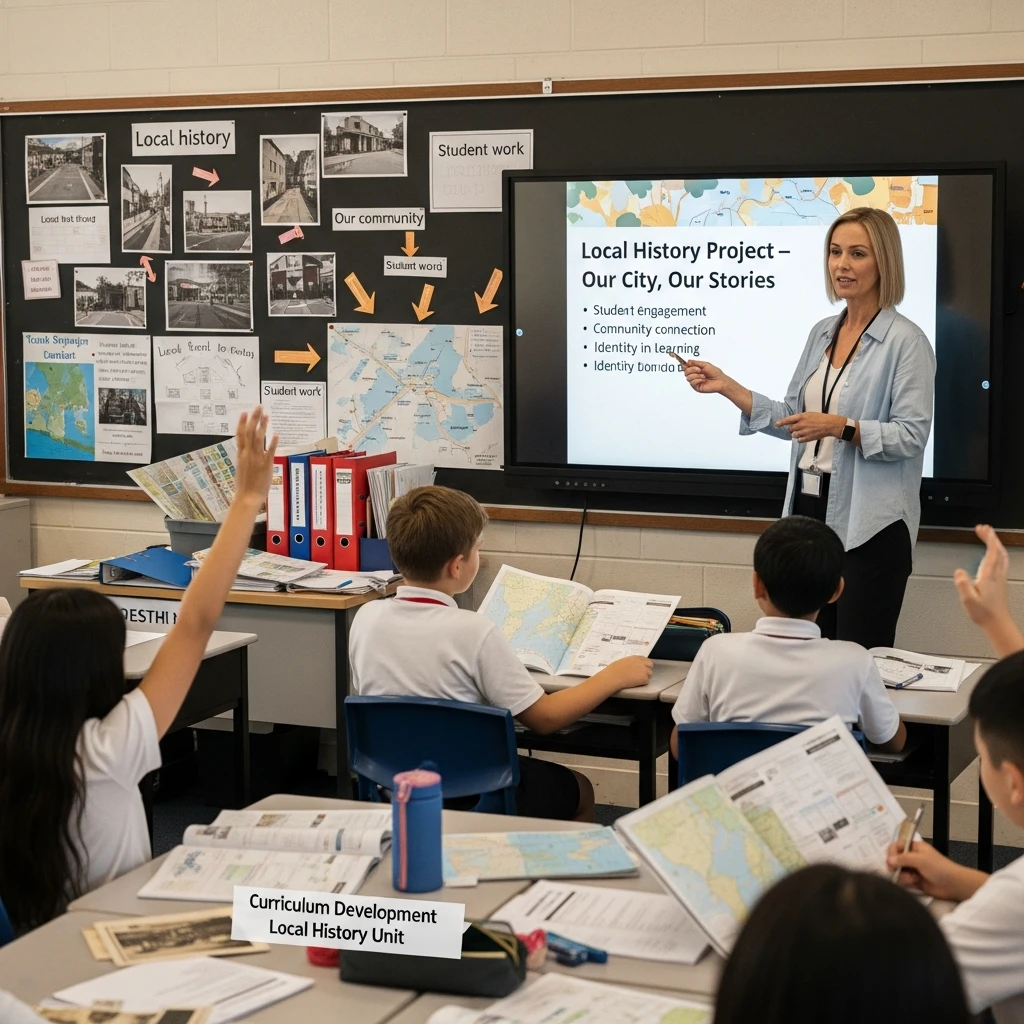
So, when should you actually introduce these topics? From my experience, the third or fourth grade is often ideal. At this age, children are developing the cognitive skills needed to understand abstract concepts like time, chronology, and the complex cause-effect relationships that history inherently demands. What’s interesting is that their curiosity is also peaking, making them receptive to stories of the past. If you’re looking for robust resources to get started, our Top 2025 Resources for Teaching Local History can offer a treasure trove of ideas and materials designed to make history come alive, right in your classroom.
Layering Complexity: From Simple Stories to Deep Dives
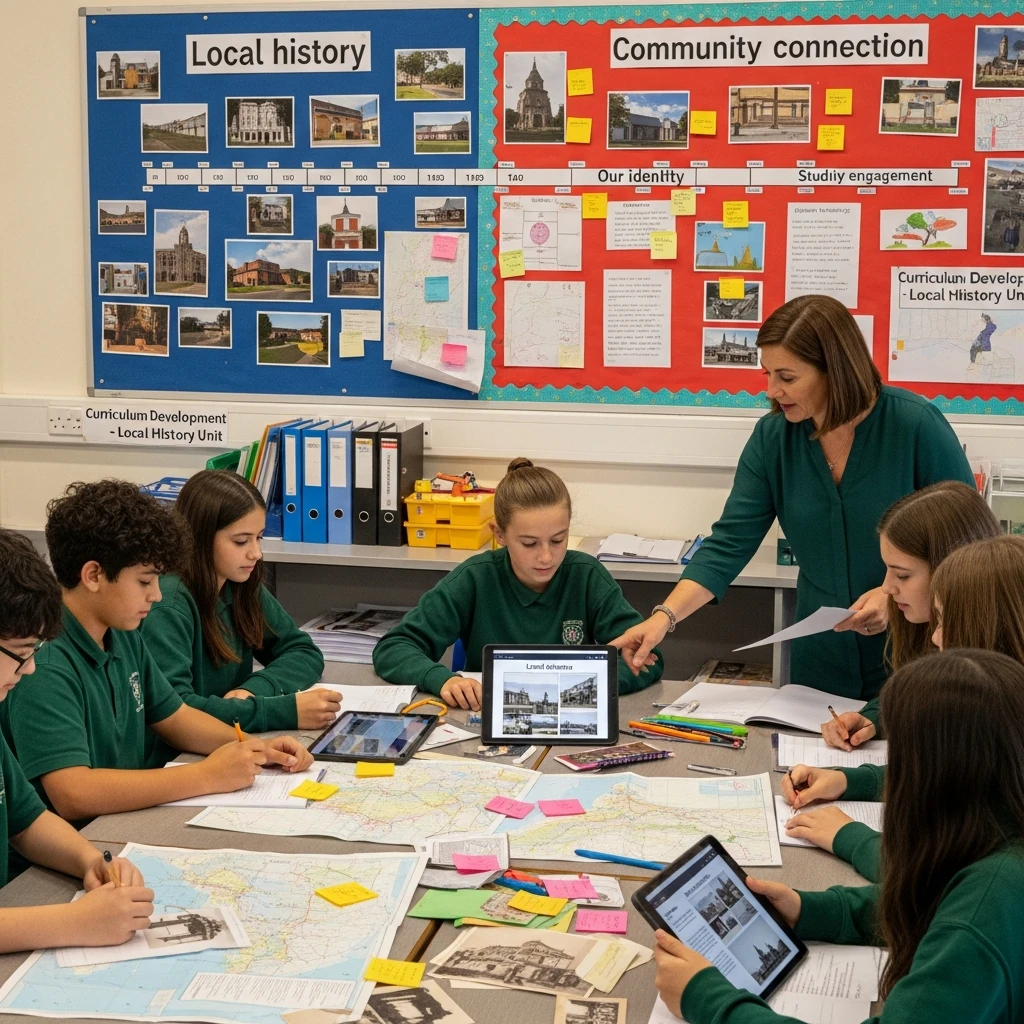
Once you’ve set the stage, it’s time to gradually build complexity. Start with simple, relatable stories—perhaps tales about local heroes, everyday people who shaped the community, or significant events that had a lasting impact. Then, gracefully introduce more nuanced topics, like economic changes over time or the subtle cultural shifts that defined a generation. It’s more nuanced than it appears on the surface, but I promise you, it’s absolutely worth the effort. I once conducted a project where students used old maps to trace and then physically map historical sites in their own hometown. It was a massive hit! For more dynamic project ideas that truly engage young learners, our Engaging Local History Projects: 2025 Proven Guide is a fantastic, practical resource.
Advanced Insights and Pro Tips: Making History Interdisciplinary
Here’s a genuine pro tip that I’ve found invaluable: seamlessly integrate local history with other subjects. For example, use math to explore population growth patterns over centuries, or leverage science to understand the environmental impact of historical industrial developments. This interdisciplinary approach not only deepens understanding but also keeps students actively engaged across different subjects, showing them how interconnected knowledge truly is. And definitely don’t shy away from technology—digital archives, virtual museum tours, and interactive maps can be incredibly powerful tools for bringing the past to life. Our Essential 2025 Guide: Unlocking Local History for Educators has even more on how to harness these modern resources.
Frequently Asked Questions
How do I make local history relevant to young students?
It’s all about connecting the past directly to their present experiences. Use relatable stories and familiar locations to spark that initial interest. Incorporating family histories and oral traditions can also be a surprisingly powerful method, as it makes history deeply personal. Studies in 2024 show that when students see themselves reflected in history, their engagement levels can increase by up to 40%.
What if my region doesn’t have a ‘rich’ or ‘famous’ history?
Every single place has a story to tell, no matter how seemingly quiet! Focus on everyday history—like the development of local industries, the evolution of a neighborhood, or the compelling stories of immigrant communities who built the area. Even small, seemingly insignificant events can be fascinating if presented with a compelling narrative. Remember, it’s about the human story and the narrative, not just the grand facts.
How can I address sensitive topics in local history responsibly?
This is surprisingly tricky, but absolutely essential for a complete historical understanding. Approach sensitive topics with immense care, openness, and a commitment to truth. Provide ample context, encourage empathy, and facilitate structured, respectful discussions. Always use age-appropriate materials and create a safe space for students to express their thoughts and questions without judgment.
Can local history support other parts of the curriculum effectively?
Absolutely! Local history can dramatically enhance literacy skills through rich storytelling and primary source analysis, promote critical thinking in social studies, and even support practical applications in math and science. It’s a truly versatile tool that can enrich the entire educational experience, making learning more cohesive and meaningful.
What resources are best for teaching local history in 2025?
Utilize a dynamic mix of traditional books, expanding digital archives, and local museums. Our Top 2025 Resources for Teaching Local History article provides a meticulously curated list of the latest, most effective tools and materials to get you started.
Your Personal Recommendations and Next Steps
If I were to offer one piece of personal advice, I’d say start small and build progressively. Don’t be afraid to experiment with different methods until you find what truly resonates with your students. Engage actively with local historians and community members—they’re often incredibly eager to share their deep knowledge and passion. And most importantly, foster a classroom environment where curiosity is not just allowed, but genuinely rewarded. You’ll find that students, when empowered and intrigued, can become passionate historians themselves, uncovering stories you never even knew existed right in their own backyard.
So, where do we go from here? Dive into those resources, stay curious, and remember, teaching local history is an evolving, incredibly rewarding journey. Happy teaching!
- Tags: Local History, Elementary Education, Curriculum Development, Teaching Strategies, Student Engagement, Educational Resources, History Education, Interdisciplinary Learning